Rigathi Gachagua, leader of the Democracy for the Citizens (DCP) party, has sparked controversy with his recent remarks on building alliances within Kenya's opposition. He claimed that his goal is to unite opposition leaders under a single presidential candidate for the 2027 elections. However, his comments have raised concerns among his fellow leaders, who accuse him of using aggressive language instead of fostering cooperation.
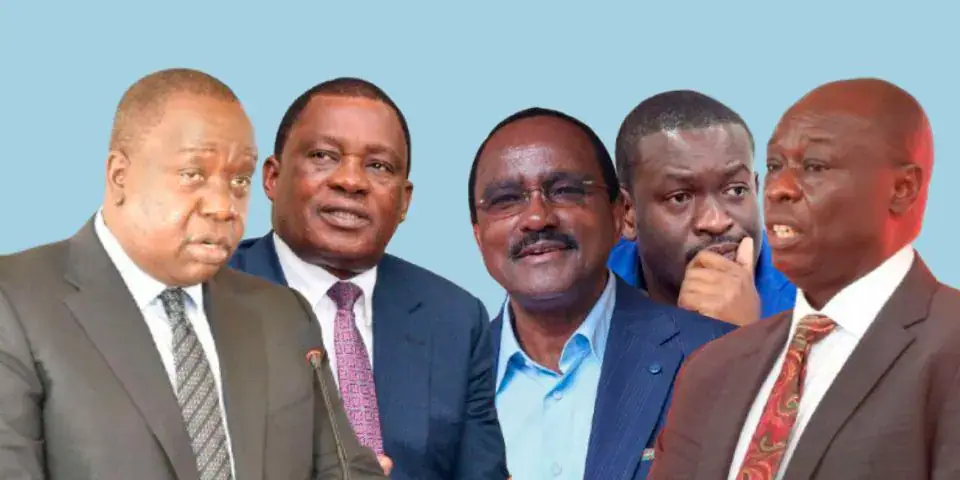
Gachagua recently met with leaders at his Wamunyoro home in Nyeri, where he criticized some of his fellow opposition leaders, including former Attorney General Justin Muturi and former Interior Minister Fred Matiang'i. He accused them of not working hard enough to build their popularity and questioned their ability to deliver votes. Gachagua also revealed that he has been allocating vote targets to his allies, citing specific numbers for leaders like Senator Edwin Sifuna and Wiper leader Kalonzo Musyoka.
The comments have sparked a heated debate within the opposition, with some leaders expressing concern that Gachagua's approach may undermine the unity of the opposition. Muturi has accused Gachagua of using threats instead of building a collaborative spirit, while Matiang'i has criticized Gachagua's proposal to merge the Mount Kenya, Ukambani, and Western regions, citing concerns that it may exacerbate existing tensions.
Despite the backlash, Gachagua has insisted that he is not arrogant, but rather speaking the truth about the realities of electoral politics. He has also revealed that he met with former Kitui Governor Charity Ngilu to learn from her experience in building coalitions. Ngilu was instrumental in forming the NARC coalition that helped Mwai Kibaki win the presidency in 2002.
Gachagua's efforts to build alliances have also involved meetings with other opposition leaders, including Kalonzo and Sifuna. However, some leaders, including Martha Karua and Ndindi Nyoro, have expressed skepticism about Gachagua's intentions. They have emphasized the need for the opposition to unite and present a strong challenge to President William Ruto in the 2027 elections.
Political analyst Dr. Isaac Gichuki has expressed concern that Gachagua's comments may harm the opposition's chances in the 2027 elections. He notes that Gachagua's approach may be seen as divisive and undermine the opposition's efforts to present a united front. Gichuki argues that the opposition should be focusing on promoting unity and presenting a clear alternative to the current government.
Gachagua has insisted that internal differences will not prevent the opposition from fielding a single candidate against President Ruto in 2027. The debate over Gachagua's comments is likely to continue, with many leaders closely watching his next moves as the country prepares for the next general election.
Key points
- Gachagua's comments have sparked a debate about the opposition's strategy and unity in the lead-up to the 2027 elections.
- The opposition leader has been accused of using aggressive language and undermining the unity of the opposition.
- Gachagua has insisted that his goal is to unite the opposition under a single presidential candidate and that he is willing to work with other leaders to achieve this goal.