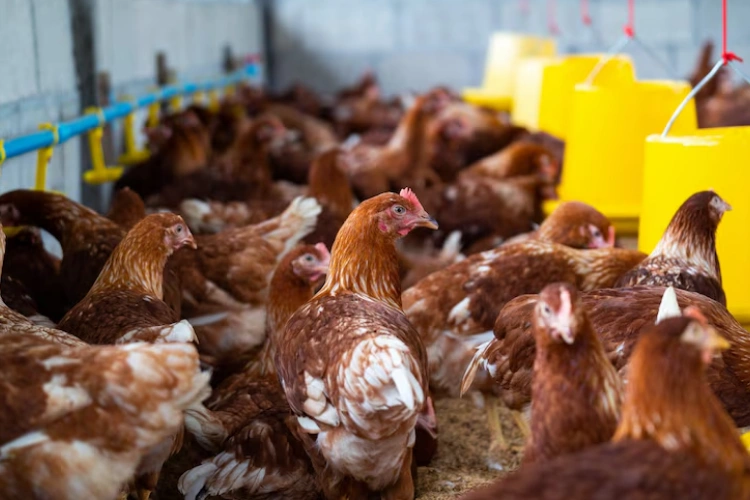
The Gabonese government has reaffirmed its commitment to developing the country's poultry industry, despite a trade dispute with the United States at the World Trade Organization. The government had announced plans to ban the importation of chicken from January 1, 2027, as part of efforts to boost local production and reduce dependence on external supplies. The ban is aimed at promoting the development of the local poultry industry, creating jobs, and supporting food sovereignty.
The decision to ban chicken imports was made in 2025, and the government has since been working to develop the local poultry industry. This has included discussions with foreign groups, including those from Turkey, Guinea, and Spain, as well as the launch of a campaign to select 150 local farms in March. The government has also sent a delegation to Brazil to explore partnerships and modernize the country's poultry production.
However, the US has challenged Gabon's decision at the World Trade Organization, citing concerns about protectionism. In response, the Gabonese government has announced that it will develop a national strategy based on exceptions provided for in WTO agreements and diplomatic negotiations. The government aims to prevent commercial disputes and protect the country's economic interests.
The US is not a major exporter of poultry products to Gabon, with Brazil and the European Union being the main suppliers. However, the US has a direct economic interest in Gabon, with bilateral trade valued at around $12 million in 2025. The US has not disclosed its arguments for challenging Gabon's decision, but Gabon is prepared to engage in discussions and potentially impose tariffs on imported products.
The Gabonese government has emphasized that its goal is to develop the local poultry industry and reduce dependence on external supplies. The country's poultry production is currently limited, and the government believes that investing in the sector can help create jobs and support economic growth. The government has also highlighted the importance of food sovereignty and reducing reliance on imports.
The dispute with the US is a setback for Gabon's plans to develop its poultry industry, but the government remains committed to its goals. The government has indicated that it will work with the US and other stakeholders to find a solution that balances the country's economic interests with its commitment to free trade. The outcome of the dispute is uncertain, but Gabon is determined to pursue its plans to develop the local poultry industry.
The development of Gabon's poultry industry is seen as a key part of the country's economic strategy, with the government aiming to achieve 4.5% economic growth in 2027. The sector has the potential to create jobs and stimulate economic growth, and the government is keen to attract investment and develop partnerships with foreign companies. The dispute with the US is a challenge, but Gabon remains committed to its goals and is working to find a solution that works for all parties.
Key points
- The Gabonese government has reaffirmed its commitment to developing the country's poultry industry despite a trade dispute with the US at the World Trade Organization.
- The US has challenged Gabon's decision to ban chicken imports, citing concerns about protectionism.
- Gabon aims to develop its poultry industry to reduce dependence on external supplies, create jobs, and support food sovereignty.