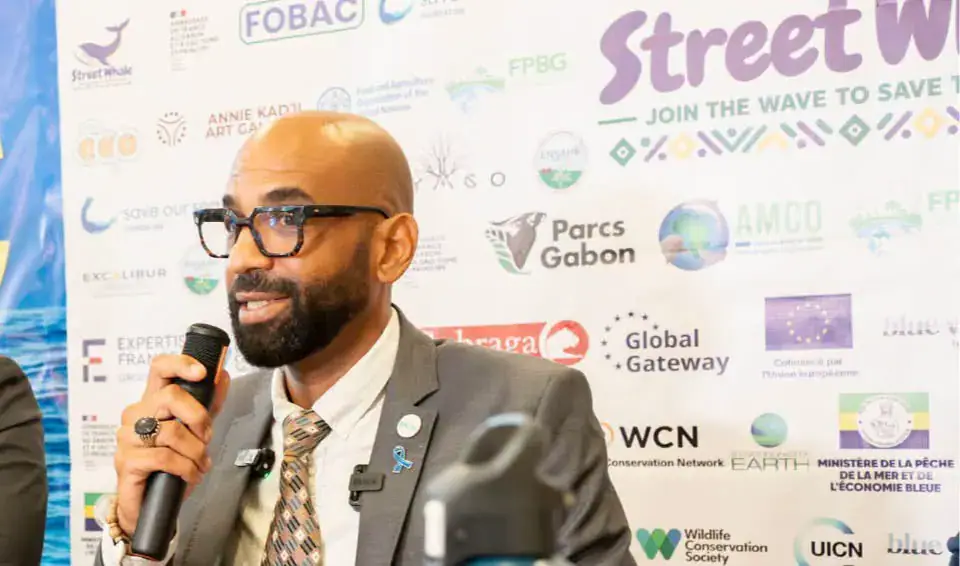
The Gabonese government has made significant strides in preserving its marine ecosystems, with a focus on protecting biodiversity and promoting sustainable fishing practices. According to Koumba Kombila, coordinator of the marine program at the National Parks Agency (ANPN), the country has protected 90% of its oil installations since 2017, thanks to a decree from the Fisheries Code. This move has enabled the establishment of conservation statuses for aquatic protected areas.
The introduction of Other Effective Conservation Measures by Zone (OECMZ) is a key strategy in Gabon's conservation efforts. Kombila explains that OECMZ are areas with specific management measures to protect biodiversity and promote sustainable use of natural resources. The goal is to demonstrate that these areas not only contribute to conservation but also support the local economy, particularly through sustainable fishing practices. By doing so, Gabon aims to showcase the value of OECMZ as an additional mechanism to achieve the 30x30 goal, as outlined in the Kunming-Montreal Global Framework.
The 30x30 goal aims to conserve 30% of the world's terrestrial and marine ecosystems by 2030. Gabon's approach to achieving this goal involves identifying areas with high conservation value and implementing effective management measures. Kombila cites the example of the Komo estuary, which is not a national park but can still contribute to the 30x30 goal through targeted management measures. This approach allows for sustainable use of natural resources while minimizing conflicts with local communities and operators.
The ANPN plays a crucial role in supporting the government's conservation efforts. As the technical arm of the Ministry of Water and Forests, the ANPN provides scientific research and data to inform conservation decisions. The agency's team of researchers, eco-guards, and marine specialists work together to monitor and manage marine ecosystems. This expertise enables the government to make informed decisions about conservation measures and sustainable use of natural resources.
The oil sector has historically contributed to Gabon's conservation efforts, particularly in the management of fisheries and the study of marine ecosystems. However, Kombila notes that the sector's involvement has decreased in recent years. The introduction of OECMZ may provide an opportunity for oil operators to contribute to conservation efforts once again, particularly in the management of areas around oil platforms.
Gabon's leadership in marine ecosystem conservation is built on a strong foundation of research and collaboration. The country's approach to conservation emphasizes the importance of involving local communities and stakeholders in decision-making processes. By working together, Gabon aims to balance conservation goals with economic development and social needs.
As Gabon continues to implement its conservation strategies, the country is well-positioned to achieve its goals and serve as a model for other nations. The innovative approaches being implemented, including OECMZ, demonstrate a commitment to effective conservation and sustainable use of natural resources. With continued support from stakeholders, including the oil sector, Gabon can make a significant impact on marine ecosystem conservation.
Key points
- Gabon's coordinator for marine programs highlights the country's leadership in preserving marine ecosystems and its innovative approaches to achieving conservation goals.