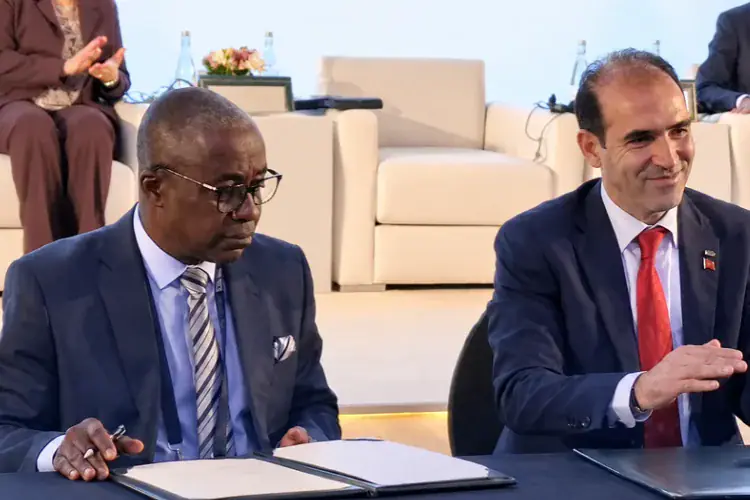
The National Commission for the Fight Against Corruption and Illicit Enrichment (CNLCEI) of Gabon, led by Nestor Mbou, and the National Instance for Probity, Prevention, and Anti-Corruption (INPPLC) of Morocco signed a protocol agreement on November 23 in Marrakech. This agreement aims to strengthen their cooperation against corruption in Central Africa. The agreement provides for the sharing of experiences and best practices between the two countries.
The cooperation agreement is expected to improve Gabon's methods for preventing, identifying, and monitoring corruption risks. The CNLCEI can draw inspiration from Moroccan practices in transparency, data publication, and dialogue with citizens, media, and civil society. This exchange of experiences can enhance Gabon's anti-corruption efforts and promote a culture of transparency and accountability.
The signing of the agreement took place during an African meeting focused on open integrity institutions. The discussions centered on access to information and public participation as tools for prevention, while respecting national competencies. The Open Government Partnership (OGP) can transform these priorities into concrete commitments and actions.
The meeting also plans to launch the African Alliance of Open Integrity Institutions and Anti-Corruption, with a charter and roadmap for 2027. Gabon's participation in this alliance can provide opportunities for networking and enriching its tools for prevention, control, and accountability. This development can further strengthen Gabon's commitment to fighting corruption and promoting good governance.
The agreement between Gabon and Morocco reflects the growing recognition of the need for international cooperation in combating corruption. Corruption is a transnational issue that requires a collective response from governments, civil society, and the private sector. By working together, countries can share knowledge, expertise, and best practices to prevent and combat corruption.
The CNLCEI and INPPLC have a critical role to play in promoting transparency and accountability in their respective countries. The agreement signed in Marrakech demonstrates their commitment to working together to address the scourge of corruption. The two institutions will need to work closely together to implement the agreement and achieve tangible results in the fight against corruption.
The cooperation agreement between Gabon and Morocco has the potential to make a positive impact on the fight against corruption in Central Africa. The agreement's success will depend on the commitment and efforts of both countries to implement its provisions and share experiences and best practices. The African Alliance of Open Integrity Institutions and Anti-Corruption can provide a platform for countries to work together to promote good governance and transparency.
Key points
- The agreement aims to share experiences and best practices in preventing and identifying corruption risks between Gabon and Morocco.
- The Open Government Partnership (OGP) can transform priorities into concrete commitments and actions to promote transparency and accountability.
- The African Alliance of Open Integrity Institutions and Anti-Corruption will be launched with a charter and roadmap for 2027 to promote good governance and transparency.