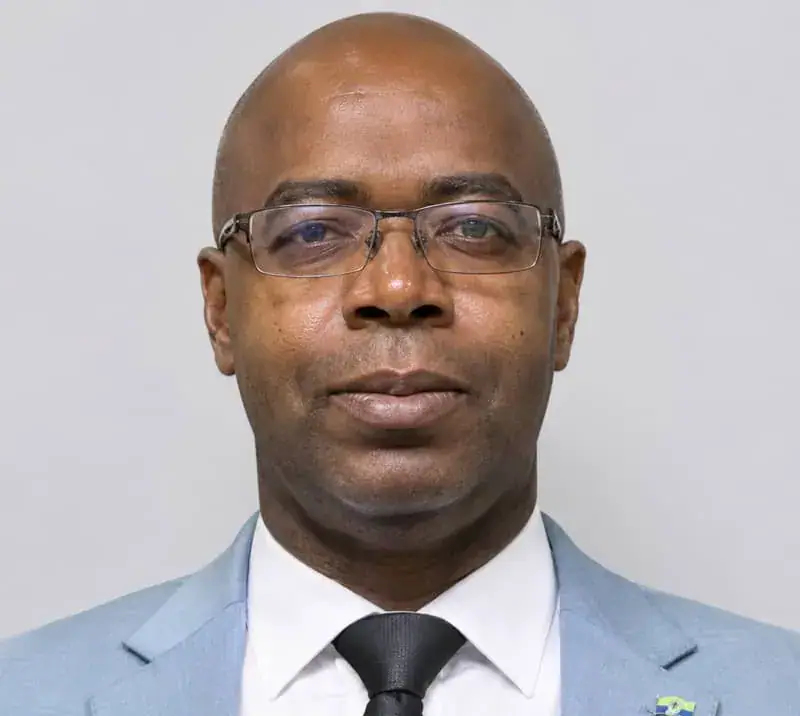
At the recent COP31 conference in Antalya, Paul Georges Okinda, diplomatic advisor to Gabon's Ministry of Petroleum and Gas, reaffirmed Gabon's stance on a gradual energy transition that balances climate imperatives with economic development. This approach aligns with the vision of the Organization of the Petroleum Exporting Countries (OPEC) and the African Petroleum Producers' Organization (APPO), of which Gabon is a member. Okinda emphasized that the transition must consider the specificities of producing states.
Okinda highlighted that the goal is not to oppose climate change mitigation to economic growth, but to harmonize these priorities by reducing emissions, particularly methane, while valorizing national energy resources. This approach aims to address energy poverty, ensure supply security, and support the country's industrialization process. Gabon's strategy seeks to balance environmental preservation with economic development needs.
The diplomatic advisor cited President Brice Clotaire Oligui Nguema's recent visit to France, where he stated that Gabon cannot preserve its forests at the expense of its development. Okinda stressed that Gabon's preservation of its forests is crucial, but it must be done in a way that supports the country's growth. This balanced approach is central to Gabon's energy transition strategy.
Okinda also emphasized the need for producing countries to be fully involved in defining global energy trajectories to ensure the balance and effectiveness of international climate policies. He argued that this inclusive approach would help address the specific challenges faced by producing countries and ensure a more equitable transition.
Gabon's position on energy transition is aligned with the interests of other producing countries, and Okinda's statements reflect a broader consensus among OPEC and APPO member states. The country's approach seeks to address the complexities of energy transition in a way that takes into account the unique circumstances of each nation.
The COP31 conference provided a platform for Gabon to reiterate its commitment to a gradual energy transition that prioritizes both climate action and economic development. Okinda's statements highlighted the need for a nuanced approach that balances competing priorities and addresses the specific needs of producing countries.
As the international community continues to grapple with the challenges of climate change and sustainable development, Gabon's stance on energy transition offers a pragmatic perspective that emphasizes balance and inclusivity. The country's experience and insights will likely contribute to ongoing discussions on climate policy and sustainable development.
Key points
- Gabon advocates for a gradual energy transition that balances climate imperatives with economic development.