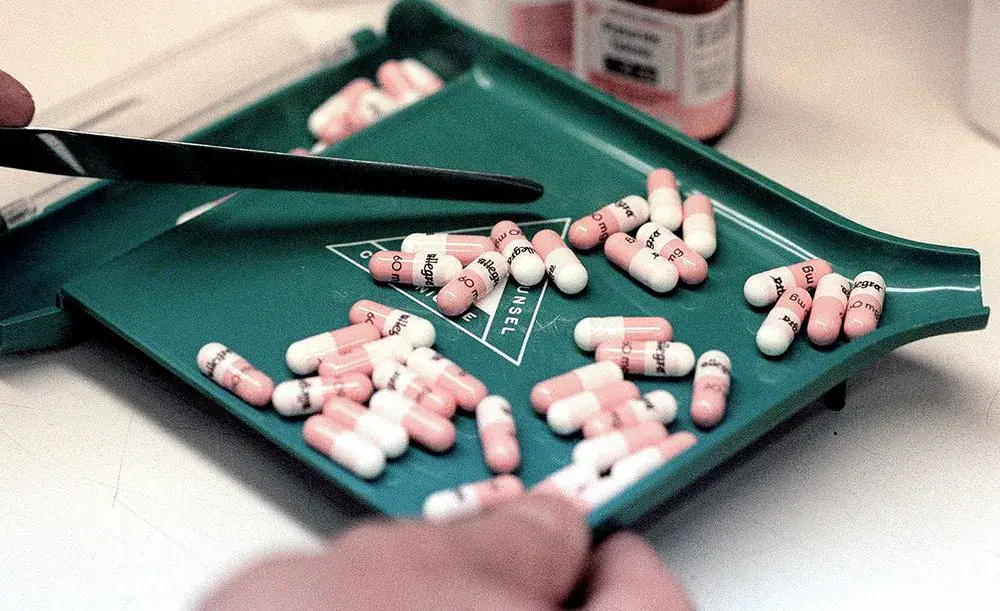
A severe shortage of life-saving medications for critical illnesses such as cancer and diabetes has been reported at some South African hospitals. According to Dr. Imran Keeka, a DA member of the KwaZulu-Natal legislature, patients with life-threatening illnesses may not receive the necessary medication to manage their conditions. This shortage affects various hospitals and clinics across the country, with some patients being told to wait or not receive medication at all.
The shortage of medication has been attributed to various factors, including inadequate stock management and supply chain issues. The Denosa, a nurses' union, has expressed concern over the situation, stating that some hospitals have run out of essential medication and are telling patients to wait or not providing them with medication. This situation has raised concerns about the impact on patient care and the potential risks to patients' lives.
The South African Society of Psychiatrists (SASP) has also expressed concern over the shortage of medication for mental health conditions. According to the SASP, the shortage of medication for mental health conditions is a significant concern, particularly in provinces such as Gauteng, KwaZulu-Natal, Western Cape, and Eastern Cape. The organization has warned that the shortage of medication could lead to increased risks to patients and hospital staff.
Dr. Keeka has emphasized that the shortage of medication is not limited to mental health conditions but also affects medication for other critical illnesses such as diabetes, cancer, and eye care. He has expressed concern that the shortage of medication could have a devastating impact on patient care and outcomes, particularly if not addressed urgently.
The Department of Health has acknowledged the shortage of medication and has assured the public that efforts are being made to address the issue. According to Foster Mohale, spokesperson for the Department of Health, the department is working to resolve the issue with suppliers and has initiated plans to explore alternative sources of medication.
The shortage of medication has significant implications for patients with chronic illnesses, who rely on medication to manage their conditions. According to statistics, over 4 million people in South Africa live with diabetes, and approximately 240,000 people live with cancer. The shortage of medication has raised concerns about the impact on patient care and outcomes.
The situation has been described as critical, with patients and healthcare professionals expressing concern about the impact on patient care. The Department of Health has been urged to take urgent action to address the shortage of medication and ensure that patients receive the necessary treatment to manage their conditions.
Key points
- The shortage of life-saving medications in South African hospitals affects patients with critical illnesses such as cancer and diabetes.
- The shortage has been attributed to inadequate stock management and supply chain issues.
- The Department of Health has acknowledged the issue and is working to resolve it with suppliers and explore alternative sources of medication.