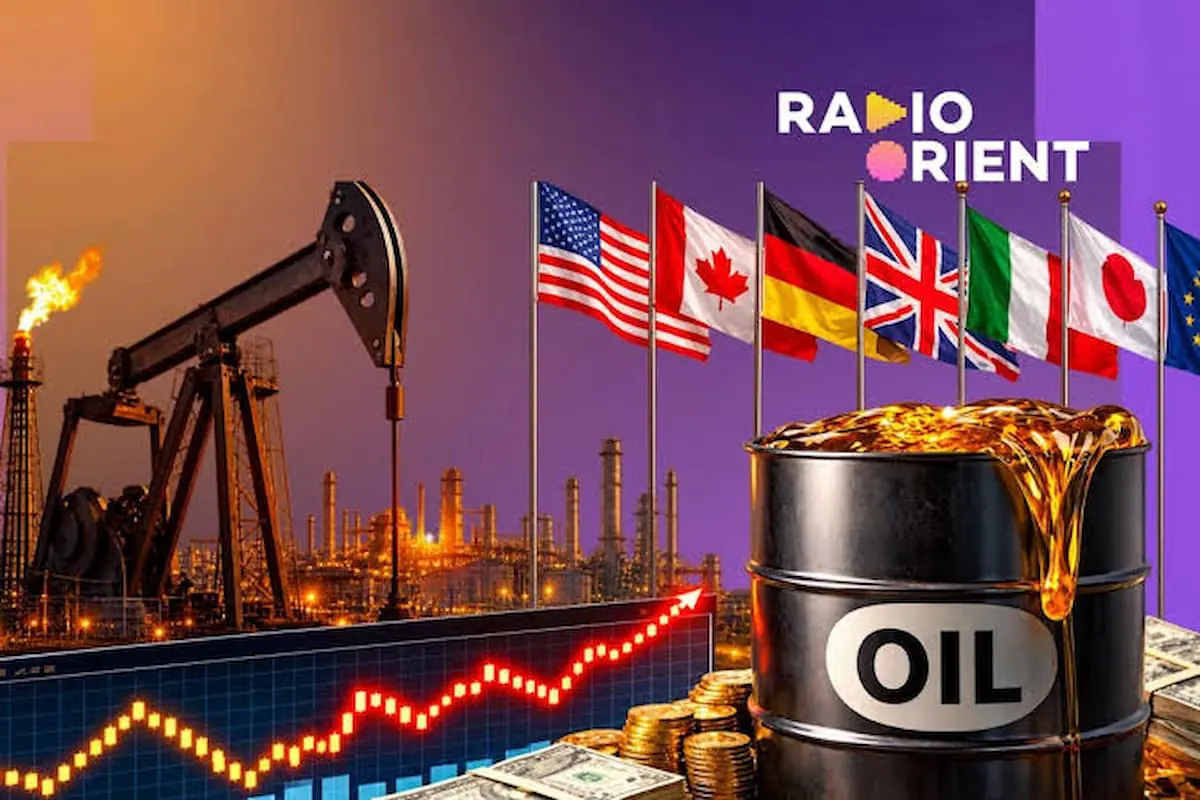
The G7 has announced plans to release 100 million barrels of crude oil and refined products, including diesel, onto the market over the next four months. This decision comes after weeks of pressure from the US to increase available stocks and curb rising fuel prices. The move aims to alleviate tensions in energy markets, which have been volatile due to the conflict in the Middle East and concerns over global energy supply.
The release of oil and refined products will be coordinated by the International Energy Agency (IEA) and will begin immediately. A significant portion of the volumes will be diesel, which has seen significant price increases in recent weeks. The G7's decision is an effort to mitigate the impact of high fuel prices on transportation, industry, and logistics. The move also seeks to prevent further deterioration in the balance between supply and demand for refined products.
The US had been pushing for European countries to tap into their strategic reserves of diesel, threatening to ban American exports of diesel if they did not comply. However, US President Donald Trump eventually stated that the US would not impose an export ban on diesel. The G7 compromise includes a commitment from members not to impose restrictions on energy product exports between them, aiming to preserve trade flows.
The release of 100 million barrels represents a significant addition to the market, but its impact will depend on the pace of implementation and changes in global consumption. The G7 plans to intervene quickly in the diesel market, followed by a gradual release of other refined products. The goal is to reduce price tensions while preventing further supply difficulties due to geopolitical disruptions.
This move marks another coordinated intervention by major consuming countries since the onset of energy tensions linked to the Middle East conflict. The G7's decision aims to stabilize energy markets, which have been affected by volatility in oil prices. The conflict in the Middle East and concerns over global energy supply have contributed to this volatility.
The G7's release of oil and refined products is intended to address the current imbalance between supply and demand. The decision also reflects a broader effort to ensure that energy markets remain stable and that the global economy is not adversely affected by supply disruptions. The impact of this move will be closely watched by market participants and policymakers.
The G7's decision to release 100 million barrels of oil and refined products is a significant step aimed at stabilizing energy markets. The move is expected to help alleviate tensions in the market and prevent further price increases. The G7 will continue to monitor the situation and take further action if necessary to ensure that energy markets remain stable.
Key points
- The G7 will release 100 million barrels of crude oil and refined products over four months to ease energy market tensions.
- The release will be coordinated by the International Energy Agency (IEA) and will begin immediately.
- The move aims to alleviate tensions in energy markets, which have been volatile due to the conflict in the Middle East and concerns over global energy supply.