The G7 has expressed its solidarity with the governments of Yemen and Saudi Arabia as the conflict in the region intensifies. The group's ministers of foreign affairs, meeting on the sidelines of the UN General Assembly, called on Houthi rebels to immediately cease all military actions, threats, and attacks on civilian maritime transport. The Houthis, backed by Iran, have consolidated their control of the strategic Bab el-Mandeb strait, affecting Saudi Arabian exports and global energy prices.
The conflict in Yemen has led to a significant decline in Saudi Arabian exports, with a sharp drop in traffic in the region. The Bab el-Mandeb strait, connecting Europe to Asia via the Red Sea and Suez Canal, has become crucial for Saudi Arabia, the world's largest crude oil exporter. The strait is an essential passage for international trade, and its closure has raised concerns about global economic instability.
The G7 ministers emphasized their support for the legitimate government of Yemen and the Kingdom of Saudi Arabia. They expressed concern about the economic instability caused by the conflict, which has led to a surge in global energy prices. The situation has prompted some countries to offer support to Saudi Arabia, with France announcing its readiness to contribute to the protection of Saudi energy infrastructure.
The conflict has resulted in significant human losses, with six people killed in Yemen following new airstrikes by the Saudi-led coalition. The Houthis have reported 760 Saudi airstrikes to date and have warned against any intervention by Saudi allies, including Turkey and Pakistan. The conflict in Yemen began in 2014 when the Houthis took control of the capital Sanaa, prompting a military intervention by Saudi Arabia in 2015.
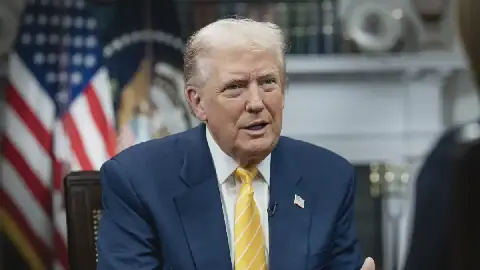
Some countries have offered military support to Saudi Arabia, with the UK providing logistical support to help the kingdom repel Houthi attacks. British Prime Minister Andy Burnham announced that British aircraft will provide defensive in-flight refueling to Saudi fighter jets. The US has also been urged to intervene, with Yemeni President Rashad al-Alimi seeking support from US President Donald Trump during a phone call on Sunday.
The conflict has drawn in other countries, with the prince of Saudi Arabia, Mohammed bin Salman, reportedly urging President Trump to take action against the Houthis. However, the US has not yet committed to providing military support. The situation remains volatile, with the Houthi leader, Abdel Malek al-Houthi, warning against any intervention by Saudi allies.
The international community remains concerned about the conflict's impact on global trade and economic stability. The G7's expression of solidarity with Yemen and Saudi Arabia highlights the need for a peaceful resolution to the conflict. The situation will likely continue to be a major concern for global leaders, with efforts to find a solution ongoing.
Key points
- The G7 has expressed solidarity with Yemen and Saudi Arabia amid escalating conflict.
- The conflict has significant implications for global trade and economic stability.
- Several countries have offered military support to Saudi Arabia, including the UK and France.