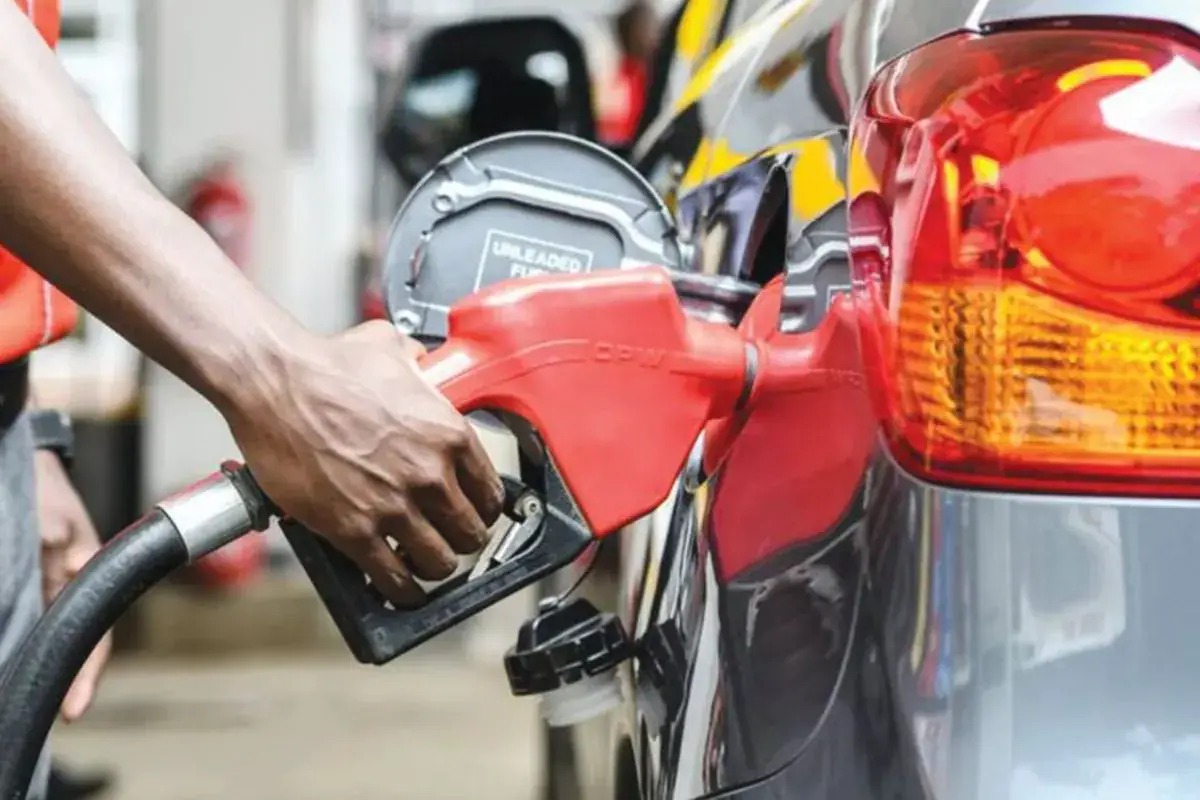
The Energy and Water Utilities Regulatory Authority (Ewura) in Tanzania has announced an increase in fuel prices nationwide, effective immediately. In Dar es Salaam, the maximum retail price of petrol has risen by Sh26 to Sh4,083 per litre from Sh4,057 in October. This change affects not only Dar es Salaam but also other regions, with prices adjusted according to the port of entry and location.
The price adjustments vary by region and port of entry. At Tanga Port, petrol will now sell at a maximum of Sh4,149 per litre, up Sh26 from Sh4,123. Diesel and kerosene prices have also increased, with diesel at Sh4,194, up Sh42 from Sh4,152, and kerosene at Sh4,183, up Sh53 from Sh4,133. For products landed through Mtwara Port, the increases are Sh13 for petrol to Sh4,183 per litre, Sh32 for diesel to Sh4,231, and Sh40 for kerosene to Sh4,220.
According to Ewura, the increases are attributed to the ongoing conflict in the Middle East, which has driven up transportation and insurance costs, raising the overall cost of imports. The conflict has significantly impacted global benchmark oil prices. In September 2026, Brent crude averaged $114.16 per barrel, up about $23 from August, while West Texas Intermediate (WTI) averaged $97.31.
The rising global oil prices have continued into October, with Brent averaging roughly $124–$125 per barrel and WTI about $101–$102. These increases have directly affected Tanzania, leading to the current fuel price hikes. The government has assured that it continues to monitor international market developments and is taking measures to maintain stable supplies while limiting the impact of higher prices on consumers.
Ewura has directed oil marketing companies to sell petroleum products at competitive prices, provided they remain within the prescribed maximum caps and minimum limits. The prices were calculated under the 2022 Ewura Petroleum Price Setting Rules and the 2024 Bulk Oil Procurement Regulations. Petrol stations are required to prominently display fuel prices on signboards, including any discounts or promotional offers.
To ensure transparency and compliance, retailers must issue sales receipts generated by Electronic Fiscal Pump Printers (EFPP). Buyers should ensure they receive valid receipts showing the station’s details, date, fuel type, and price per litre. These receipts serve as evidence in cases of overcharging or quality complaints and help the government collect taxes from petroleum sales.
Key points
- The fuel price increases in Tanzania are attributed to the ongoing conflict in the Middle East and rising global benchmark oil prices.
- The government and Ewura are working to maintain stable supplies and monitor international market developments to limit the impact on consumers.
- Petrol stations are required to display prices on signboards and issue valid receipts to buyers to ensure transparency and compliance.