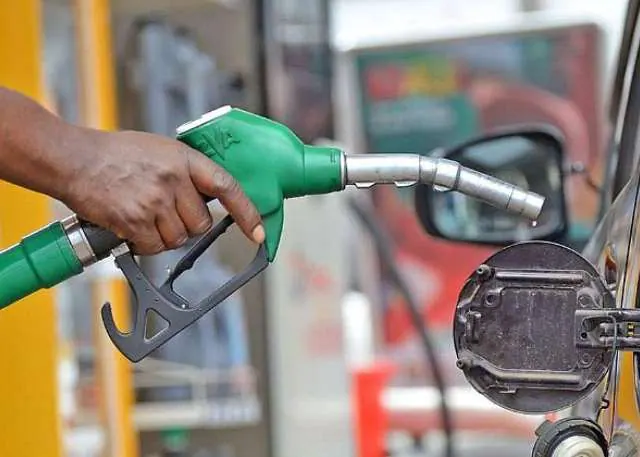
The Chamber of Petroleum Consumers (COPEC) has projected that fuel prices in Ghana will increase significantly from October 1. This is due to sharp increases in global petroleum benchmark prices and recent depreciation of the cedi. According to COPEC's Head of Research, Paul Ofori, the two key factors influencing petroleum prices are international benchmark prices and the cedi-dollar exchange rate.
The cedi lost 1.2% against the dollar last week, while benchmark prices for petrol, diesel, and Liquefied Petroleum Gas (LPG) recorded significant increases on the international market. This has led to an expected increase in petrol prices by more than 5% from the current average price if the government does not intervene. Petrol is currently selling at an average of about GH¢16.90 per litre.
COPEC is projecting that petrol prices could rise to between GH¢16.84 and GH¢18.75 per litre under the projected conditions. For diesel, COPEC is projecting a much higher increase of about 22% if there is no government intervention, based on an average current market price of approximately GH¢18.50 per litre. This could see diesel prices rise significantly from October 1.
However, government intervention could reduce the expected increase in diesel prices to between 11% and 12%. If government intervenes, then likely the projection will go down, and so we are looking at a maximum of 12% increment across the board in terms of diesel prices. This could see diesel prices sell between GH¢18 and GH¢21 per litre from October 1.
According to Mr Ofori, petrol prices on the international market have increased from about US$1,001 per metric tonne to as high as US$1,250, with prices in some cases reaching US$1,300 per metric tonne. This significant increase in international prices has contributed to the expected rise in fuel prices in Ghana.
Diesel prices have also increased from about US$1,004 to approximately US$1,524 per metric tonne, representing an increase of about 8%, while LPG prices have risen by about 7%. These increases in international prices have significant implications for consumers in Ghana, who will have to pay more for fuel.
The expected increase in fuel prices will have a significant impact on consumers and the economy as a whole. With fuel prices expected to rise significantly, consumers will have to cough up a lot more in order to buy almost the same quantity of fuel they have been buying. The government will need to consider the impact of these price increases on the economy and the consumer.
Key points
- Petrol prices are expected to rise by more than 5% from the current average price.
- Diesel prices are expected to rise by about 22% if there is no government intervention.
- Government intervention could reduce the expected increase in diesel prices to between 11% and 12%.