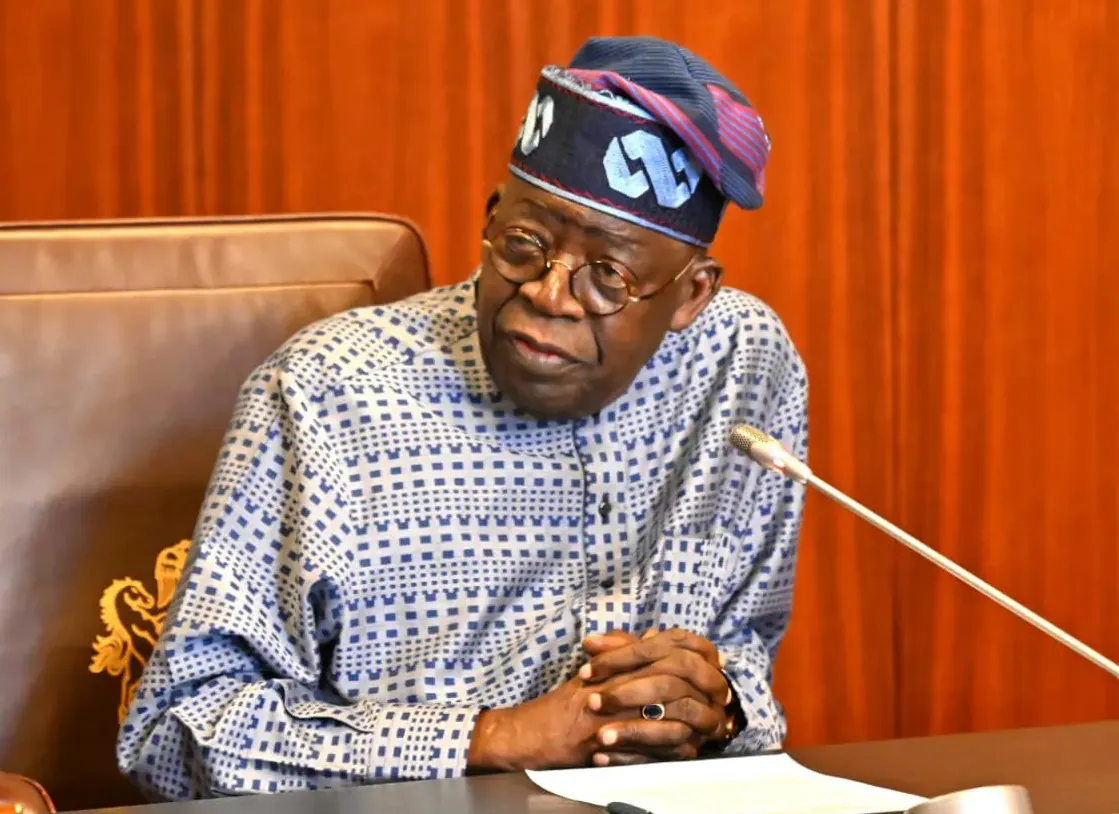
President Bola Tinubu has directed that a new pricing structure for transportation be implemented from October 1, 2026, in a bid to alleviate the hardship Nigerians have been experiencing due to the global spike in fuel costs. Tinubu disclosed this in a statement he personally wrote while on a three-week vacation in Europe. He revealed that he had a meaningful discussion with state governors on the issue of transportation costs and they all agreed to cut down the cost of transportation.
The President cited examples of states that have made significant progress in reducing transportation costs through the use of Compressed Natural Gas (CNG) and electric-powered vehicles. In Borno state, CNG-powered and electric public transport services are moving commuters for between ₦50 and ₦100 on routes where commercial operators charge between ₦300 and ₦600. Similarly, in Kaduna, 100 CNG-powered buses are providing free transportation on major routes across the state.
Tinubu stated that in the first year of operation, the CNG-powered buses in Kaduna carried about 3.2 million passengers, saving commuters more than ₦3.5 billion in transport costs. He also mentioned that in Oyo, CNG buses deployed to Pacesetter Transport brought the Lagos–Ibadan fare down from about ₦8,000 to ₦3,200 during the initial deployment. In Adamawa, alternative-energy transit services have cut fares by as much as 50 per cent, from ₦8,000 to ₦4,000.
The President commended the governors and state governments that have quickly implemented the CNG-powered transportation system, saying he believes more still needs to be done. He assured that the Federal Government will support states to scale up the initiative. Tinubu lamented that disruptions to global energy supplies are pressuring petrol and diesel prices and increasing transportation costs worldwide.
Tinubu admitted that Nigeria cannot control events in global energy markets, but as a gas-rich nation, the country can reduce its exposure. He stated that over the last three years, his administration has deliberately invested in building a CNG transportation ecosystem across Nigeria. Today, more than 120,000 vehicles have been converted; there are over 400 certified conversion centres and more than 90 CNG refuelling stations across the country.
Chief Martin Onovo, a seasoned politician and petroleum sector expert, however, accused the Tinubu administration of being deliberately destructive and extortionist. Onovo stated that the administration has pushed Nigerians to the fifth poorest people in the world by GDP per Capita at PPP, according to the 2026 Global Finance ranking. He claimed that the administration does not understand that the constitutional purpose of government is the security and welfare of the people.
Onovo cited examples of countries like Venezuela and Iran, where the cost of petrol is significantly lower than in Nigeria. In Venezuela, an OPEC member like Nigeria, the cost of PMS (petrol) is about 4 US cents per litre, while in Iran, another OPEC member, it is about 3 US cents per litre. Onovo expressed skepticism about proffering solutions to the Tinubu administration, given its track record.
Key points
- President Tinubu orders review of transport costs effective Oct 1.
- Tinubu cites examples of states that have reduced transportation costs through CNG-powered vehicles.
- Expert criticizes Tinubu administration's handling of fuel price hikes and transportation costs.