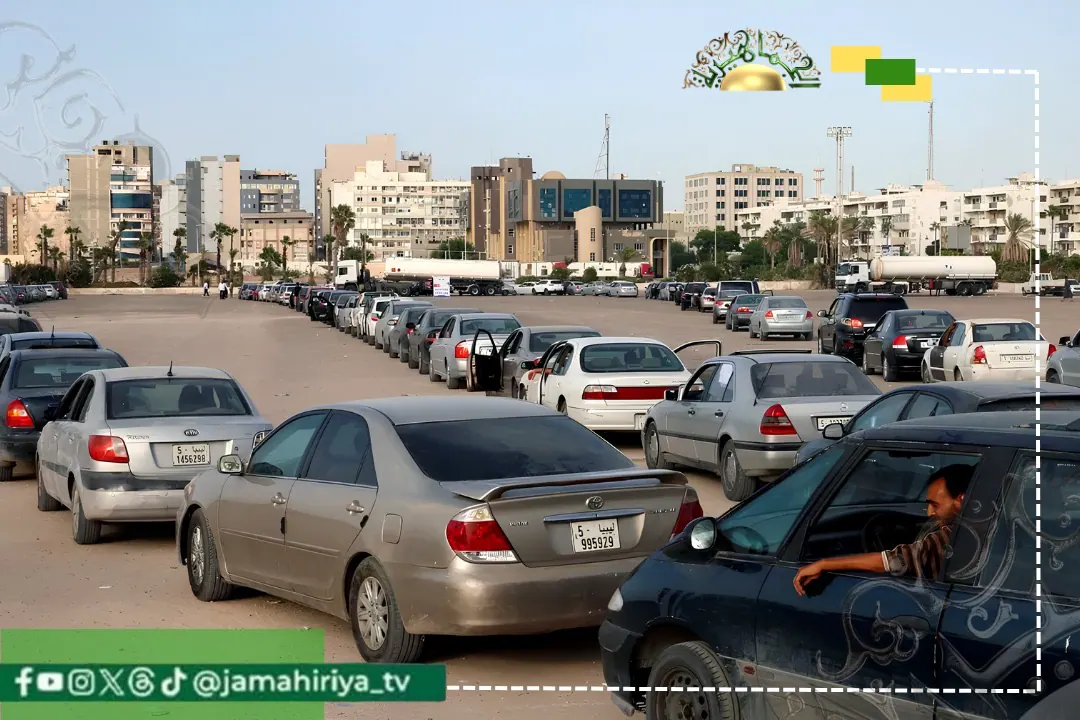
A severe fuel crisis in southern Libya has significantly impacted the daily lives of women, who are often forced to wait in long lines for hours to obtain limited amounts of fuel. The crisis has led to a substantial increase in the workload and hardship faced by women in the region. Many women are required to travel long distances to access fuel, which has become a significant challenge.
Despite the allocation of a specific day for women to fill up their vehicles, the crisis persists due to limited fuel quantities and extended waiting periods. Women from remote areas and villages are often required to travel to Sabha and wait for over 12 hours, with inadequate basic services available at the waiting areas. This has resulted in significant hardship and disruption to their daily lives.
The fuel crisis has also had a profound impact on women's work in various sectors, including nursing, education, and delivery services. Additionally, the transportation of children and patients to hospitals has become increasingly difficult, particularly for patients requiring regular dialysis treatment. The crisis has placed an additional burden on women, who are often responsible for managing household and family responsibilities.
According to reports from Aljamahiriya TV, the fuel crisis has been exacerbated by issues with distribution and the lengthy queues that have formed at fuel stations. Despite assurances from the Brega Oil Marketing Company that fuel supplies are being maintained and new quantities are being allocated to the south, the crisis persists. The situation remains challenging for residents, particularly women, who are disproportionately affected.
The fuel shortage has become a significant concern for residents in southern Libya, with many experiencing difficulties in accessing essential services. The crisis has highlighted the need for effective solutions to address the distribution and supply of fuel in the region. Efforts to alleviate the crisis and provide relief to affected communities are ongoing.
The impact of the fuel crisis on women in southern Libya has been substantial, with many forced to endure long periods of waiting and hardship. The situation has underscored the importance of addressing the root causes of the crisis and implementing measures to mitigate its effects on vulnerable populations. The international community and local authorities are closely monitoring the situation.
The fuel crisis in southern Libya serves as a stark reminder of the challenges faced by communities in the region. The situation highlights the need for sustainable solutions to address the complex issues surrounding fuel distribution and supply. As efforts continue to address the crisis, residents, particularly women, remain hopeful that a lasting resolution will be found.
Key points
- Women in southern Libya are disproportionately affected by the fuel crisis
- The crisis has significant impacts on women's work and daily lives
- Efforts to alleviate the crisis and provide relief to affected communities are ongoing