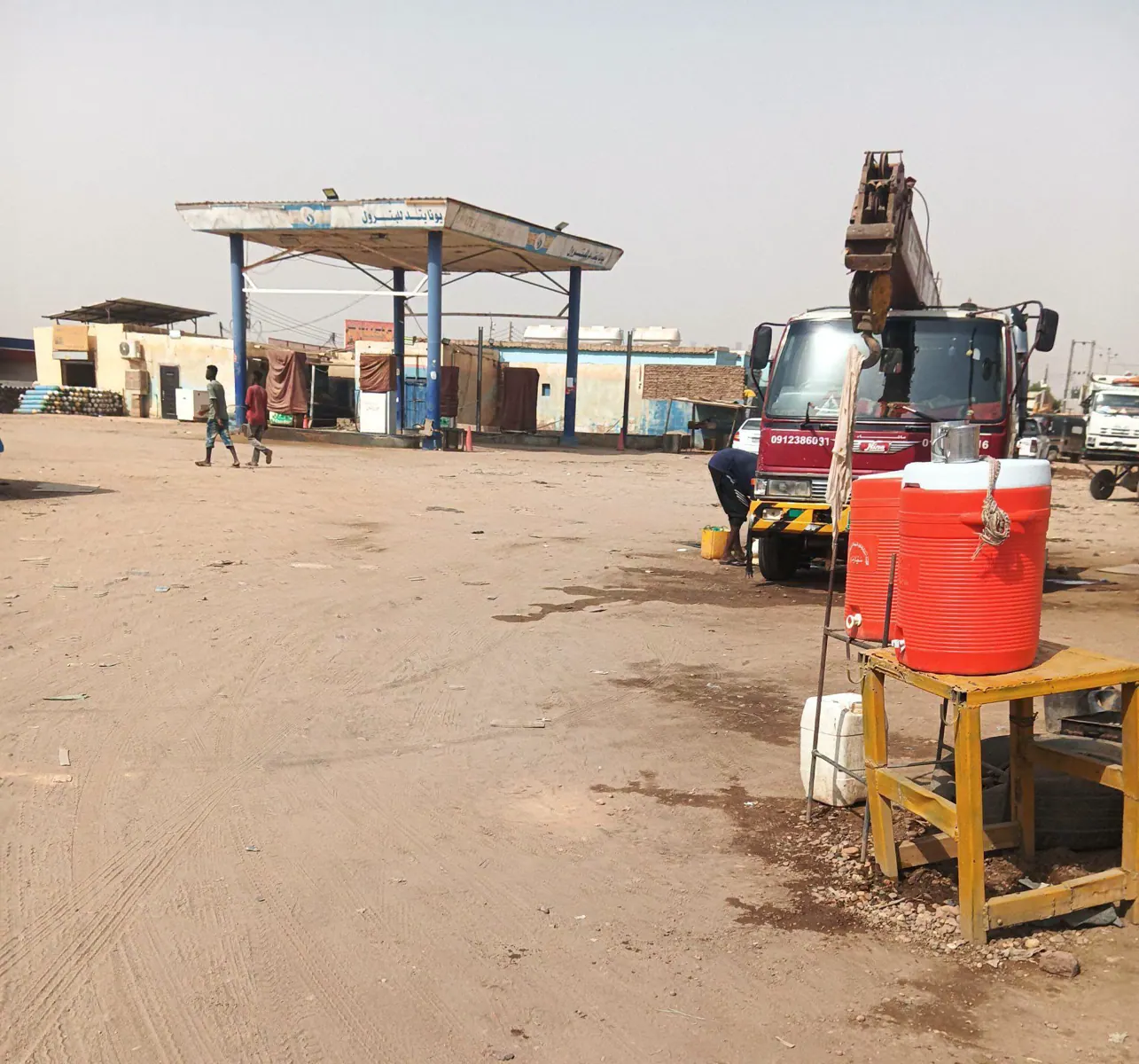
A fuel crisis has entered its second month in Sudan's White Nile state, with gasoline prices surging from 32,000 to 38,982 pounds per gallon at fuel stations, and reaching 60,000 pounds on the black market. Diesel prices have also skyrocketed to 42,000 pounds per gallon at stations and 70,000 pounds on the black market. This has significantly impacted transportation costs and living expenses for citizens.
According to fuel station owner, Abd al-Mun'im Ahmad Ibrahim, the city is experiencing a persistent shortage of gasoline and diesel. He attributed the crisis to a shortage of fuel supplies entering Sudan, starting from Port Sudan and extending to various cities and states. Some states have resorted to feeding fuel stations from their emergency reserves, providing limited relief.
The black market has seen significant price hikes, with fuel vendor Muhammad Mahdi reporting that a gallon of gasoline costs around 60,000 pounds, while diesel costs approximately 70,000 pounds. Mahdi stated that he provides limited quantities of fuel to cover part of the demand, mainly for internal transportation, but his profit margins are limited due to high acquisition costs.
The crisis has had far-reaching effects on citizens, with many struggling to cope with increased living expenses. Dr. Aisha al-Samani Yusuf, a medical doctor, was forced to stop using her car due to rising fuel costs. She noted that the crisis has become a comprehensive living crisis, affecting transportation, commodity prices, and services, with citizens bearing the brunt of the costs.
The increased fuel costs have led to higher transportation fares, with Ali Mus'ab Ali, a ride-hailing driver, stating that a 3,000-pound fare has risen to 5,000 pounds, while a 5,000-pound fare has jumped to around 9,000 pounds. Drivers are faced with the difficult choice of either raising fares or ceasing operations.
The crisis has also affected public transportation, with a local bus owner reporting that authorities have implemented a system to regulate fuel distribution, allowing only two fuel stations to operate per day. This has resulted in long queues and waiting times for fuel, adding to the difficulties faced by vehicle owners.
The ongoing crisis has had a direct impact on the city's transportation movement, increasing operating costs and exacerbating the suffering of citizens. With no end to the crisis in sight, residents are bracing for further price hikes and living expenses.
Key points
- Fuel shortages and price hikes have led to increased transportation costs and living expenses for citizens in Sudan's White Nile state.
- The crisis has been attributed to a shortage of fuel supplies entering Sudan, starting from Port Sudan and extending to various cities and states.
- The black market has seen significant price hikes, with fuel vendors reporting high acquisition costs and limited profit margins.