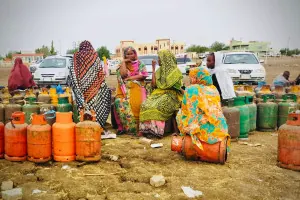
A severe fuel and cooking gas crisis has gripped Wad Madani, the capital of Sudan's Gezira State. The shortage has brought economic activity to a standstill, with long queues forming at fuel stations. Citizens are struggling to access essential commodities, and prices have surged. The crisis has been escalating since October 1, 2026, with residents expressing frustration and concern about the situation.
A resident of Wad Madani told Radio Dabanga that the fuel shortage has worsened significantly, with citizens forming long queues at fuel stations, including Al-Wajaha near the land port and Al-Maqrin near Al-Monira. The queues are reportedly chaotic, with some individuals allegedly receiving preferential treatment from security personnel. The situation has led to a shortage of cooking gas, with many residents struggling to find suppliers.
The shortage of cooking gas has reached critical levels, with some residents carrying gas cylinders on their backs in search of vendors. The price of a gas cylinder has skyrocketed to 106,000 Sudanese pounds, up from 95,000 pounds. The price of petrol has also increased, rising from 37,000 to 40,000 pounds per liter. The scarcity of fuel and gas has disrupted daily life, with many residents facing significant challenges.
The crisis has had a ripple effect on the local economy, with prices of essential commodities and food items soaring. The situation has caused widespread concern, with residents expressing frustration about the government's response to the crisis. The state of Gezira is a major agricultural hub, and the crisis is likely to impact food production and distribution.
The fuel shortage has also affected the movement of goods and people, with many vehicles unable to operate due to the lack of fuel. The situation has led to concerns about the impact on the local economy and the livelihoods of residents. The government has not issued an official statement on the crisis, but residents are calling for urgent action to address the shortages.
The crisis in Wad Madani is part of a broader economic challenge facing Sudan, which has struggled with fuel and gas shortages in recent years. The country has faced significant economic challenges, including inflation and a shortage of foreign currency. The situation in Wad Madani highlights the need for the government to address the underlying causes of the crisis and find sustainable solutions.
The situation in Wad Madani remains critical, with residents continuing to face significant challenges in accessing fuel and cooking gas. The crisis has had a major impact on daily life, and residents are calling for urgent action to resolve the situation. The government faces a significant challenge in addressing the crisis and restoring stability to the local economy.
Key points
- The crisis has led to a significant increase in prices, with the price of a gas cylinder rising to 106,000 Sudanese pounds.
- The shortage of fuel and gas has disrupted daily life, with many residents facing significant challenges.
- The crisis has had a ripple effect on the local economy, with prices of essential commodities and food items soaring.