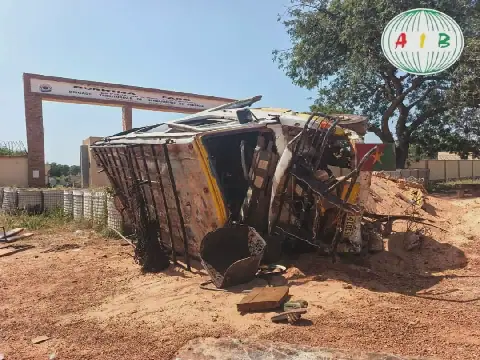
The FRN, formerly known as M23, has initiated a new offensive in the eastern part of the Democratic Republic of Congo (DRC). This recent development has seen the group make significant gains, advancing approximately 50 kilometers into the South Kivu province. The movement, which comes after a period of relative calm, has raised concerns about the stability of the region.
According to local and security sources, the FRN launched their offensive on the night of Friday to Saturday, targeting the strategic town of Walikale in the neighboring North Kivu province. The group, which started its advance from Chivanga, traversed the Kahuzi-Biega national park via the national route 3 (RN3). They have taken control of several localities, including Bunyakiri, which is about 50 kilometers from their starting point.
The FRN has also taken control of the locality of Kambali, while Kambegete remains under the control of the DRC's armed forces (FARDC), as per the statement of the army's spokesperson in the area, Major Dieudonné Kasereka. In response to the FRN's advances, the Congolese army has initiated a counter-offensive towards Kambali. However, the FRN has not yet reached Walikale.
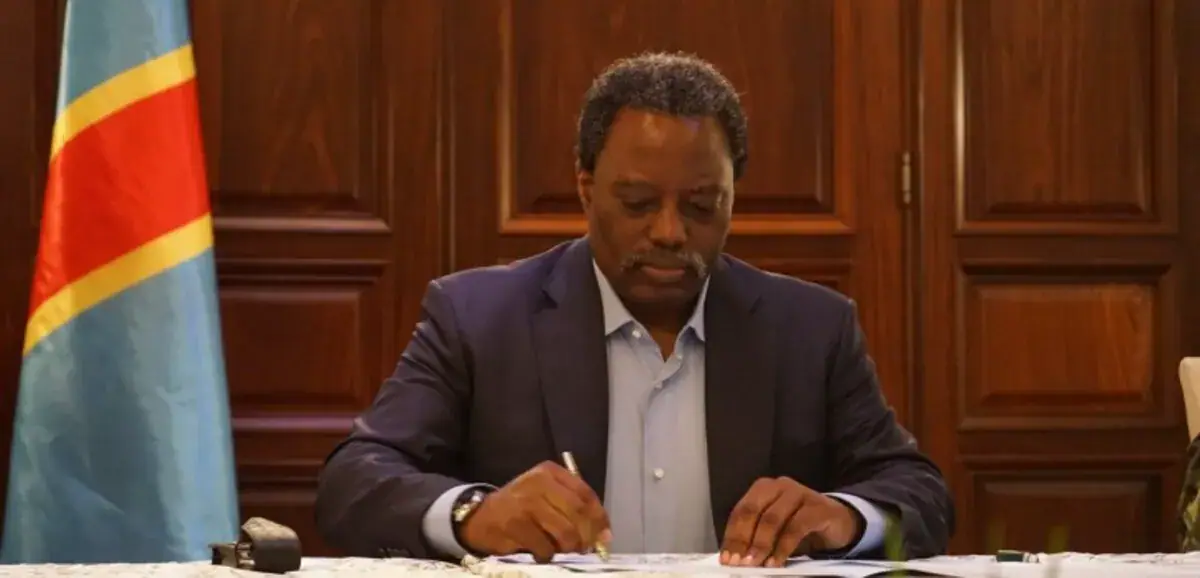
This recent escalation comes at a time when the front lines had been relatively stable for several months, following a peace agreement. The FRN's resurgence is significant, especially given the group's recent rebranding. In mid-October, the leaders of M23 announced the movement's name change to the Front for National Refoundation (FRN), with former DRC President Joseph Kabila (2001-2019) at its helm.
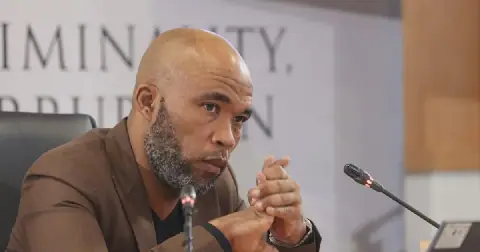
The FRN's actions have also been accompanied by a humanitarian appeal. On November 6, 2026, the FRN's Vice-Presidents, Corneille Nangaa and Bertrand Bisimwa, met with representatives of international humanitarian organizations. They highlighted the deteriorating socio-humanitarian situation in the High Plateaus, particularly in Minembwe, where deaths due to famine, lack of access to primary healthcare, and shortages of essential products have been reported.
The FRN leadership has demanded an effective mobilization of the international humanitarian community to address the crisis. They called for urgent, impartial, and proportionate intervention to preserve human lives and prevent the indifference of the international community from turning the crisis into an irreversible tragedy.
The situation in the DRC remains volatile, with the FRN's offensive adding to the complexities of the region's conflict. The DRC government and international stakeholders are likely to be closely monitoring the developments, given the potential for the conflict to escalate further and impact neighboring countries.
Key points
- The FRN's offensive has resulted in the group gaining control of several localities in South Kivu province.
- The humanitarian situation in the High Plateaus, particularly in Minembwe, has been described as dramatic, with reports of deaths due to famine and lack of access to healthcare.
- The FRN has called for urgent international humanitarian intervention to address the crisis in the DRC.