Clashes have resumed in the Djugu territory of the Democratic Republic of Congo, between the FARDC military and the Convention for Popular Revolution (CRP) militia. According to local and security sources, the fighting began on November 25, 2026, around 10 am, in the areas of Lindji, Lopa, and Iga-Barrière. The conflict has led to a significant displacement of civilians, with many fleeing to Bunia for safety. The situation remains volatile, with concerns for the safety of civilians caught in the crossfire.
The recent violence is a continuation of clashes that started over the weekend of November 21 and 22, which resulted in at least ten deaths, including seven militiamen and three civilians. Local sources report that several women, children, and elderly people have been injured in the latest fighting. The humanitarian situation is deteriorating, with thousands of people in need of urgent assistance, including food, water, shelter, and healthcare. The UN Office for the Coordination of Humanitarian Affairs (OCHA) reports that over 30,000 people have been displaced in the Djugu territory within a week.
The fighting has also disrupted efforts to combat the Ebola outbreak in the region. In Lopa, health teams are unable to access certain areas due to insecurity, hindering the response to the epidemic. According to Lotsima Latchu, an actor from the Lopa community, four bodies are awaiting burial, but the process is being delayed due to the clashes. The MONUSCO peacekeeping mission has increased patrols and evacuated humanitarian workers who were stranded in Gina.
The CRP militia had announced on November 24, 2026, that it would suspend its march towards Bunia, following engagements in Entebbe, mediated by Ugandan President Yoweri Museveni. However, the FARDC accuses the CRP of continuing its attacks in Djugu, despite this announcement. The FARDC also alleges that the CRP has links with the Allied Democratic Forces (ADF), the M23, and the Forces démocratiques de libération du Rwanda (FDLR).
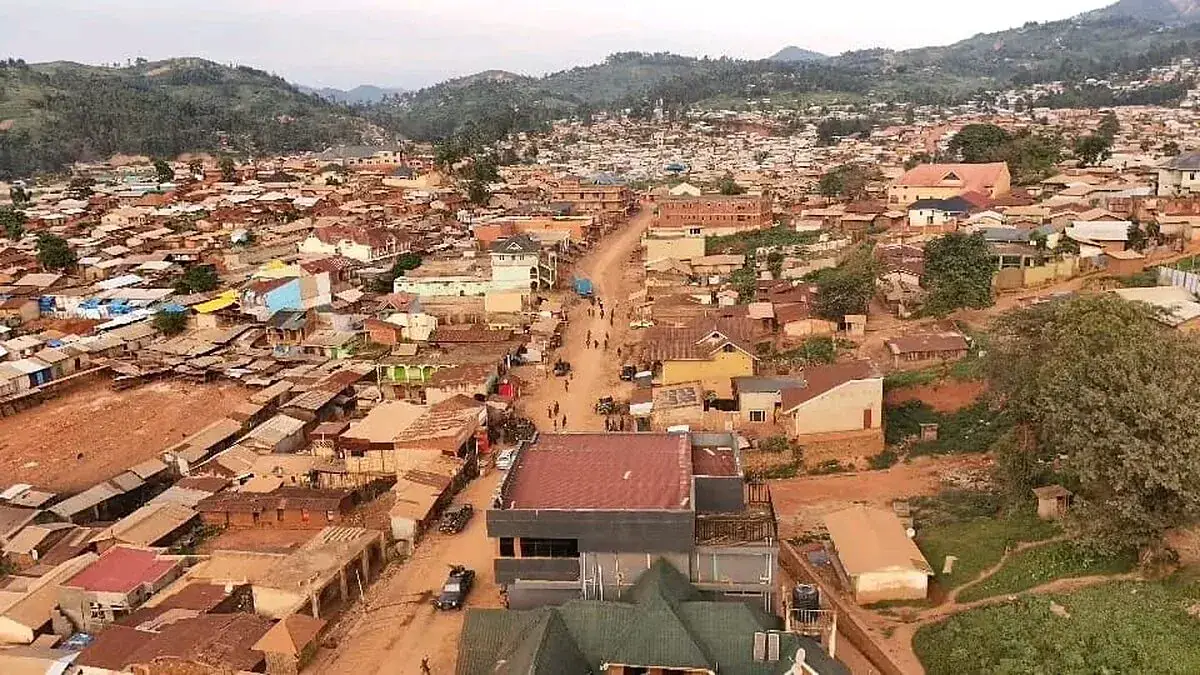
The city of Bunia is hosting thousands of displaced people, with many families taking shelter in makeshift camps or with host families. The local authorities, including Commissioner Abeli Mwangu Gérard, are trying to reassure the population that the city is under control, with increased patrols and checkpoints. However, the displaced people are in dire need of humanitarian assistance, and the situation remains precarious.
The humanitarian crisis in Djugu is exacerbated by the existing Ebola outbreak. The disruption of health services and the displacement of people are significant concerns. The international community is urged to provide urgent assistance to alleviate the suffering of the affected populations. Chadrack Byaruhanga reports from Bunia.
The situation in Djugu remains fluid, with ongoing clashes and humanitarian concerns. The need for a peaceful resolution to the conflict is pressing, to prevent further displacement and humanitarian suffering.
Key points
- Thousands displaced in Djugu territory due to clashes between FARDC and CRP.
- Humanitarian situation deteriorating, with urgent needs in food, water, shelter, and healthcare.
- Ebola response efforts disrupted due to insecurity in the region.