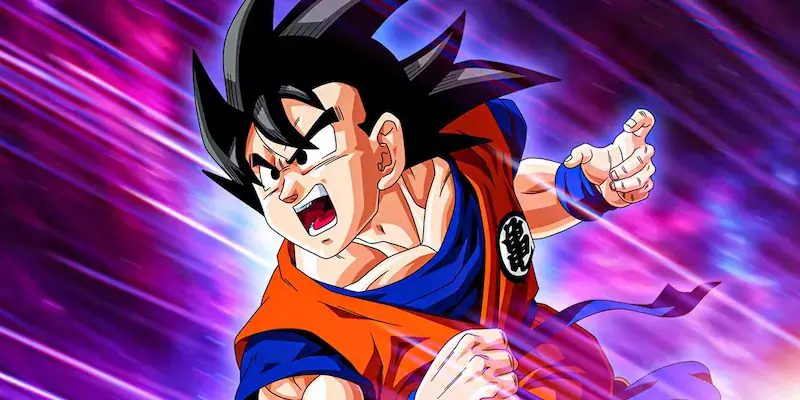
The recent wave of protests in France, which began on September 17, has taken a turn for the worse, with demonstrations turning into violent riots. The initial protests, led by teachers from Antoine de Saint-Exupéry High School in Créteil, were sparked by staff shortages and have since grown to include a range of grievances, including rising fuel prices and high cost of living. The protests have been marked by the presence of anime symbols, including the Jolly Roger from the popular manga series One Piece.
The use of anime symbols by French protesters has sparked a heated debate over cultural appropriation and artistic ownership. Some Japanese critics have argued that the use of these symbols, particularly the Jolly Roger, is a misrepresentation of the original message and philosophy of the manga. They claim that the creators of these fictional properties never intended for them to be used to promote violence and terrorism. However, others argue that once art is released into the public domain, it is up to the audience to interpret it in their own way.
The French protests have been marked by widespread vandalism and destruction of property, with many innocent citizens affected. Some protesters have come out to condemn the violence, arguing that it undermines the legitimacy of their cause. The use of anime symbols, including cosplay and flags, has been particularly notable, with many protesters drawing parallels between their struggle and the fight against oppressive governments depicted in anime.
The phenomenon of anime and manga influencing popular culture is not new. In recent years, athletes and celebrities have been spotted referencing anime and manga in their public appearances. For example, Alexa Moreno performed her routine to a Demon Slayer track during the Tokyo Olympics, while American shot putter Payton Otterdahl made headlines after doing Franky's pose from One Piece.
The adoption of anime symbols by French protesters highlights the complex issue of cultural exchange and appropriation. While some argue that the use of these symbols is a form of cultural appreciation, others see it as a form of cultural exploitation. The debate raises questions about the ownership of art and culture, and the extent to which creators can control how their work is used and interpreted.
The controversy surrounding the use of anime symbols in French protests has sparked a wider conversation about the role of art and culture in social movements. As the world becomes increasingly interconnected, the lines between different cultural and artistic traditions are becoming increasingly blurred. The French protests serve as a case study in the complex dynamics of cultural exchange and appropriation.
Ultimately, the use of anime symbols in French protests serves as a reminder of the complex and multifaceted nature of art and culture. As art and culture continue to evolve and intersect, it is likely that controversies over ownership and interpretation will continue to arise. The debate over the use of anime symbols in French protests is just one example of the many complex issues that arise when art and culture meet politics and social movements.
Key points
- The use of anime symbols by French protesters has sparked a debate over cultural appropriation and artistic ownership.
- The controversy highlights the complex issue of cultural exchange and appropriation in the age of globalized popular culture.
- The debate raises questions about the ownership of art and culture, and the extent to which creators can control how their work is used and interpreted.
Reporting sources
- Shame, as anime takes centre stage in French riots · The Observer