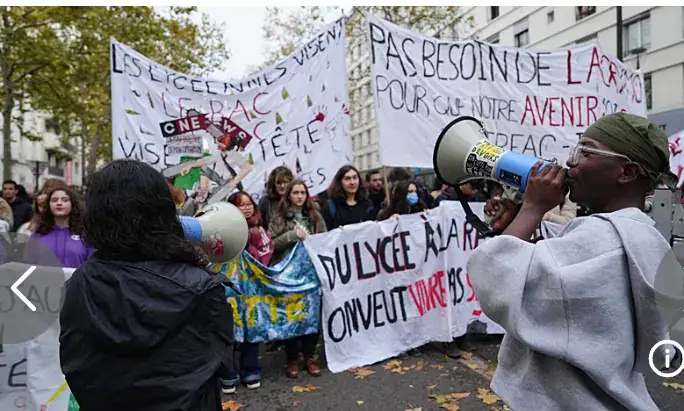
Thousands of French public sector workers took to the streets in several cities on November 17, 2026, to demand higher salaries and better working conditions. The protests, called by public sector unions, come amid rising inflation and concerns about purchasing power. Workers are seeking a general salary increase, as well as a revaluation of the index point used to calculate base salaries. The protests mark the continuation of a social movement that began over a month ago.
The protests saw a lower turnout compared to the initial days of action, but still drew significant numbers of workers from various sectors, including education and healthcare. According to the Ministry of Education, 3.14% of all personnel and 3.76% of teachers went on strike, with rates ranging from 3.85% in primary education to 3.77% in secondary education. In other public sectors, such as healthcare, around 4% of workers participated in the strike.
The protests follow discussions between unions and Prime Minister Sébastien Lecornu, which failed to meet union demands. Unions are pushing for general salary increases, citing a 16% loss of purchasing power for public sector workers since 2017. Many workers are now finding themselves at or near the minimum wage, exacerbated by inflation. The government has proposed some measures, including a rise in the minimum wage (SMIC) from December 1 and additional increases for low-paid public sector workers.
The government has also announced plans to discuss a refit of salary scales with union organizations, pending the outcome of professional elections in December. However, the government's budget plan does not include general salary increases for the fourth consecutive year, citing the country's financial situation. This approach has been deemed insufficient by unions, who argue that workers' purchasing power has been eroded.
The protests reflect ongoing tensions between the government and public sector unions over issues of salary, purchasing power, and working conditions. While the government has made some concessions, unions remain dissatisfied and are continuing to push for more substantial improvements. The situation is being closely watched as the government prepares its budget for 2027.
The Ministry of Action and Public Accounts has stated that the government is committed to finding solutions to the challenges facing public sector workers. Minister David Amiel announced that the government will engage in a genuine discussion with union organizations to overhaul salary scales. However, the lack of general salary increases in the budget plan has raised concerns about the government's commitment to addressing workers' concerns.
The protests and ongoing negotiations between the government and unions highlight the complexities of addressing the needs of public sector workers in France. As the government navigates its financial constraints, it must balance the demands of workers with the need to manage the country's finances. The outcome of the negotiations and the impact on public sector workers will be closely watched in the coming months.
Key points
- French public sector workers are demanding higher salaries and better working conditions amid rising inflation and concerns about purchasing power.
Reporting sources
- France : les manifestants dans plusieurs villes françaises · Gabon Press Agency