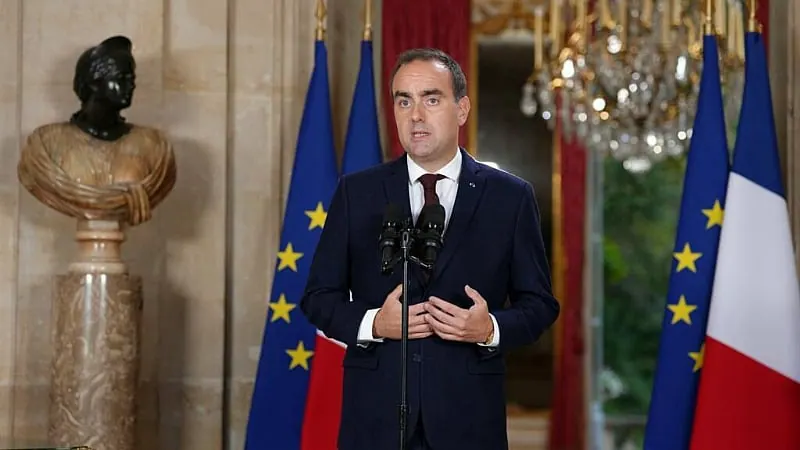
French Prime Minister Sébastien Lecornu delivered a televised address on Wednesday, October 7, 2026, acknowledging the concerns of high school students and denying that police had been given orders to confront protesters. He stated that the government would present a plan by the end of October to address the crisis. Lecornu's intervention came as student protests continued to escalate across France, driven by complaints over missing teachers, overcrowded timetables, and deteriorating school conditions.
The student protests have resulted in hundreds of injuries, including students, police officers, and education staff, and over 6,500 arrests, mostly of minors. Student groups have vowed to continue the pressure, with fresh demonstrations planned for Thursday and several education unions backing new nationwide strike action. Student representatives have requested a meeting with Lecornu, presenting costed proposals to improve conditions in secondary schools.
The police response to the protests has faced scrutiny, with rights groups, trade unions, and student organizations accusing authorities of using disproportionate force during demonstrations and school blockades. Lawyers representing minors in police custody have raised concerns over their treatment, alleging verbal abuse and physical mistreatment. Interior Minister Laurent Nunez announced the suspension of stun grenade use by police at high school demonstrations, following several serious injuries.
A 15-year-old student lost a hand on Monday after police fired a stun grenade during a protest, prompting Nunez to suspend their use while investigating the incident. This decision follows another serious incident last week, where a 14-year-old student was struck in the face by a tear gas grenade, causing him to lose several teeth. A police officer was charged in connection with that case, and Nunez stated that 18 internal investigations had been opened into allegations of police misconduct.
The government has faced criticism from opposition parties, including the hard-left France Unbowed party, which accused the authorities of using excessive force against high school students. Manuel Bompard, national coordinator of France Unbowed, criticized the suspension of stun grenades, saying it took several children being maimed for life for Nunez to give up using them. The government has accused France Unbowed of helping to inflame tensions surrounding the demonstrations.
The unrest is unfolding less than a year before France's presidential election, with the political climate increasingly shaped by the race. Far-right leader Marine Le Pen remains a prominent force in polling, while opposition parties on the left have sought to capitalize on anger over the government's handling of the student protests. Lecornu's government also faces challenges, including preparations for the 2027 budget and rising public concern over fuel prices.
In his address, Lecornu reiterated his objective of reducing France's budget deficit to five percent of gross domestic product next year and announced the release of diesel stocks to bring prices down. Most schools reopened on Wednesday, but over 500 remained partially closed, with students continuing to block entrances in some areas. The situation remains volatile as the government seeks to address the crisis and restore order.
Key points
- The French government has suspended the use of stun grenades by police at high school demonstrations.
- Student protests in France have resulted in over 6,500 arrests and hundreds of injuries.
- The government has promised to present a plan by the end of October to address the crisis.