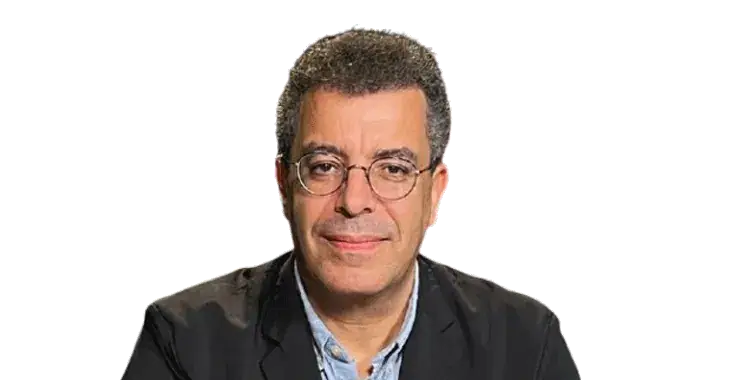
The ongoing crises in Ukraine and Palestine are having a significant impact on the French presidential election, with candidates' positions on the issues playing a crucial role in shaping voter opinions. The war between Ukraine and Russia, as well as the Israeli-Palestinian conflict, are dominating the campaign trail, with candidates' stances on the issues being closely scrutinized. According to Mustapha Tossa, a journalist and editorialist, these crises may not be decisive in the election, but they could influence voter turnout.
The crisis in Ukraine has put Marine Le Pen, the leader of the National Rally, and Jean-Luc Mélenchon, the leader of La France Insoumise, in a difficult position. Both candidates have been accused of having close ties to Russian President Vladimir Putin, with Le Pen and Mélenchon facing criticism for their reluctance to provide military aid to Ukraine. This has led to concerns that if either candidate were to win the presidency, they would prioritize relations with Russia over those with Ukraine and the European Union.
The opposition to Le Pen and Mélenchon has capitalized on this perceived weakness, accusing them of being pro-Russian and potentially compromising France's relationships with its European partners. This criticism has been particularly damaging for Le Pen and Mélenchon, as it has raised concerns about their ability to navigate complex international relationships. In response, both candidates have sought to clarify their positions on Ukraine, but the issue remains a contentious one in the campaign.
The Israeli-Palestinian conflict has also created divisions among the candidates, with Mélenchon taking a strong stance in support of the Palestinians and criticizing Israeli Prime Minister Benjamin Netanyahu. Mélenchon's position has been seen as an attempt to appeal to voters of Arab descent, who have traditionally been skeptical of French politics. However, this stance has also led to accusations of anti-Semitism, with some critics labeling Mélenchon as "Islamo-gauche."
In contrast, Le Pen and the National Rally have taken a strong pro-Israeli stance, with Le Pen positioning herself as a defender of French Jews. This shift in stance has been seen as an attempt to distance the National Rally from its anti-Semitic past, but it has also raised questions about the party's commitment to human rights and international law. The party's newfound support for Israel has been tested by recent scandals, including anti-Semitic comments made by Jordan Bardella.
The impact of these crises on the election is uncertain, but it is clear that they will play a significant role in shaping the outcome. Candidates will need to navigate these complex issues carefully, balancing their positions on Ukraine and Palestine with the need to appeal to a broad range of voters. Ultimately, the election will depend on a range of factors, including the economy, domestic policy, and international relations.
As the campaign enters its final stretch, candidates will need to address the concerns of voters, who are increasingly looking for leaders who can navigate the complexities of international relations. The crises in Ukraine and Palestine have highlighted the need for strong and effective leadership, and candidates will need to demonstrate their ability to respond to these challenges. The outcome of the election will have significant implications for France and the wider region.
Key points
- The Ukraine and Palestine crises are influencing voter opinions in the French presidential election.
- Candidates' stances on the issues are being closely scrutinized, with implications for their electoral prospects.
Reporting sources
- Ukraine, Palestine, des clivants électoraux! · Aujourd'hui Le Maroc