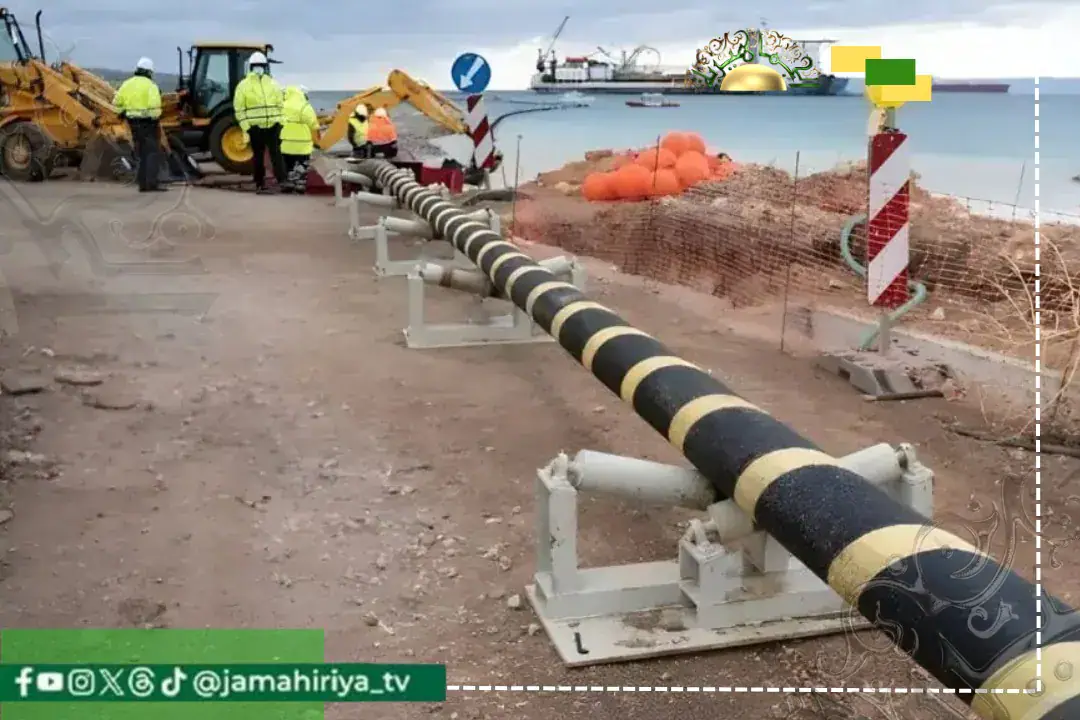
A recent development in the Eastern Mediterranean has heightened tensions between Turkey and Greece, with France notifying Turkey of the commencement of a power link project between Greece and Cyprus. The project, known as GSI, aims to establish a marine electrical connection between the two countries. According to Greek City Times, France informed Turkey of the project's start without acknowledging Turkish jurisdiction or accepting Ankara's maritime claims.
Greece has issued work permits for areas within its continental shelf, while Cyprus has allowed the project to proceed within its exclusive economic zone. The French notification to Turkey was made as a third-party notification, rather than seeking Ankara's approval. This move has drawn attention from Turkish media, particularly given the involvement of French companies in the project's implementation.
The Turkish Navy has expressed concerns over the project, with retired Admiral Cem Gürdeniz criticizing it as an attempt by Greece to undermine Turkish claims to the continental shelf. The Turkish Foreign Ministry has also stated that the activities of the French research vessel, which is expected to participate in the marine survey, are "unlawful." Turkey maintains that it has sovereign rights in the region.
The tensions over the power link project have drawn parallels with a similar incident in July 2024, when an Italian research vessel was involved in a standoff with Turkish warships and drones near the island of Kasos. The incident ended with the Italian vessel withdrawing from the area. Greek Prime Minister Kyriakos Mitsotakis has emphasized that issuing permits for the project is a crucial step in enhancing energy security and regional cooperation.
The French notification to Turkey has also sparked concerns within Greece, with opposition party Pasok calling for clarification on the nature of the communication between Paris and Ankara. There are questions about whether Athens was informed or had agreed to the notification in advance. The developments have significant implications for Libya, given the 2019 agreement between Tripoli and Ankara on maritime border demarcation, which remains a point of contention with Greece.
The dispute over the power link project highlights the ongoing competition for maritime jurisdiction, oil and gas exploration rights, and energy infrastructure routes in the Eastern Mediterranean. These issues are closely tied to Libya's maritime and economic interests. As tensions between Turkey and Greece continue, the potential for diplomatic escalation remains a concern, with implications for the regional balance of power.
The situation in the Eastern Mediterranean remains volatile, with multiple stakeholders vying for influence. The GSI power link project has become a focal point for these tensions, with Turkey, Greece, and Cyprus asserting their respective claims. As the situation unfolds, Libya will be closely watching the developments, given the potential impact on its own maritime interests and regional dynamics.
Key points
- The GSI power link project has sparked tensions between Turkey and Greece over maritime jurisdiction in the Eastern Mediterranean.
- France has notified Turkey of the project's start without acknowledging Turkish jurisdiction or accepting Ankara's maritime claims.
- The dispute highlights the ongoing competition for maritime jurisdiction, oil and gas exploration rights, and energy infrastructure routes in the region.