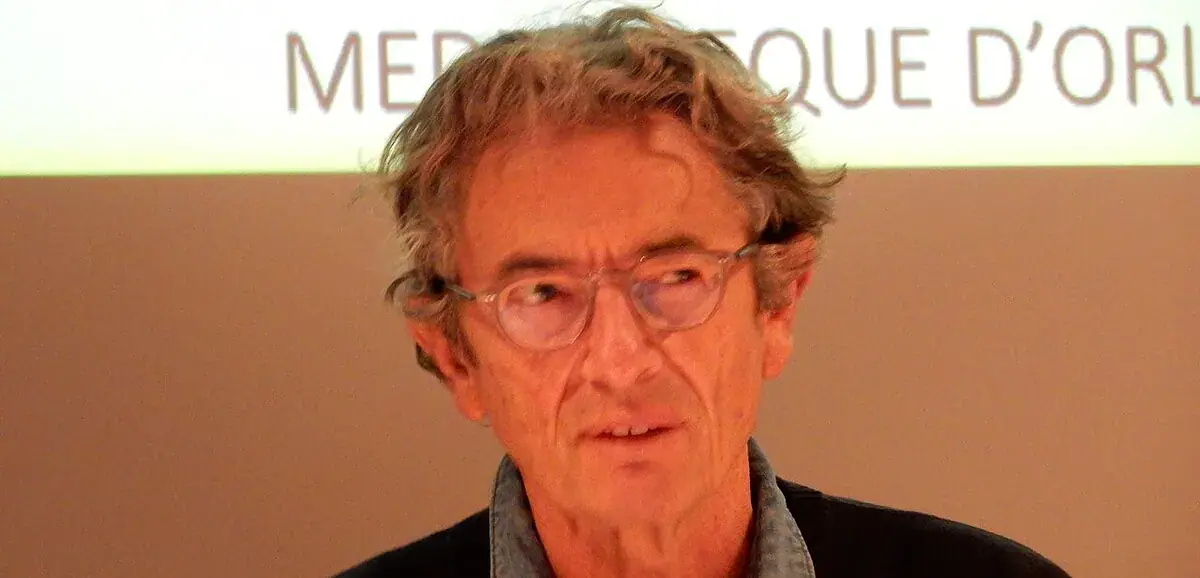
The 20th Summit of the Organisation internationale de la Francophonie, held in Phnom Penh, Cambodia, concluded without a decision on the next Secretary-General. This development has been seen as a major setback for French influence in Africa, according to Antoine Glaser, a journalist and writer specializing in Franco-African relations. Glaser believes that this failure is primarily an embarrassment for France, highlighting the country's waning influence on the continent.
For the first time since 1997, the Francophonie leaders were unable to agree on a new Secretary-General. Louise Mushikiwabo, who has been in office since 2019, will continue for an additional year, pending a consensus among member states. Glaser attributes this failure to the evolving balance of power in Africa, where countries are increasingly asserting their sovereignty and distancing themselves from French influence. He notes that France can no longer dictate the selection of the Secretary-General.
The postponement of the election has also exposed tensions between the Democratic Republic of Congo (DRC) and Rwanda. The DRC opposed Mushikiwabo's bid for a third term, which was supported by Rwanda. Glaser believes that while both countries have gained some ground, Rwanda has managed to limit its losses. He cites the public confrontation between Rwandan President Paul Kagame and French President Emmanuel Macron as evidence of Rwanda's resistance to French pressure.
Emmanuel Macron's personal involvement in the election, including his request for Kinshasa and Kigali to withdraw their candidates, has been criticized by Glaser as a diplomatic error. He argues that France has historically used the Francophonie as a tool for its African policy, selecting Secretaries-General who would promote French interests on the continent. Glaser sees the outcome of the summit as a significant decline in French influence.
The Francophonie's future is uncertain, particularly if the Democratic Republic of Congo were to withdraw from the organization. Glaser emphasizes that the DRC is the largest bastion of the Francophonie, and its departure would be catastrophic. He believes that the failure to elect a new Secretary-General reflects the deepening divisions within the Francophone community and raises questions about France's future role in the organization.
Antoine Glaser's comments highlight the complexities of Franco-African relations and the shifting balance of power on the continent. As African countries increasingly assert their independence, France's traditional influence is being challenged. The postponed election has created uncertainty about the future of the Francophonie and France's role within it.
The outcome of the summit has sparked concerns about the future of the Francophonie and its ability to adapt to changing circumstances. As the organization looks to the future, it must navigate the complex landscape of African geopolitics and redefine its role on the continent.
Key points
- France's influence in Africa is waning, as evident from the postponement of the OIF leadership election.