The French high school students' strike has entered its third week, with no signs of letting up. The movement, which began on September 21 in a high school in Créteil, a suburb of Paris, has spread to hundreds of schools across the country. According to the French Ministry of National Education, between 400 and 500 high schools, out of a total of 3,700, were affected by the strike on Monday, with many experiencing partial or total closures.
The strike was initially sparked by concerns over unfilled teacher positions, but has since expanded to include a range of issues, including overcrowded classes, poor school infrastructure, and access to higher education. Students are also protesting the Parcoursup platform, which is used for university admissions. The movement has gained significant momentum, with nearly 30% of French high schools affected by the strike on October 1, according to Le Monde.
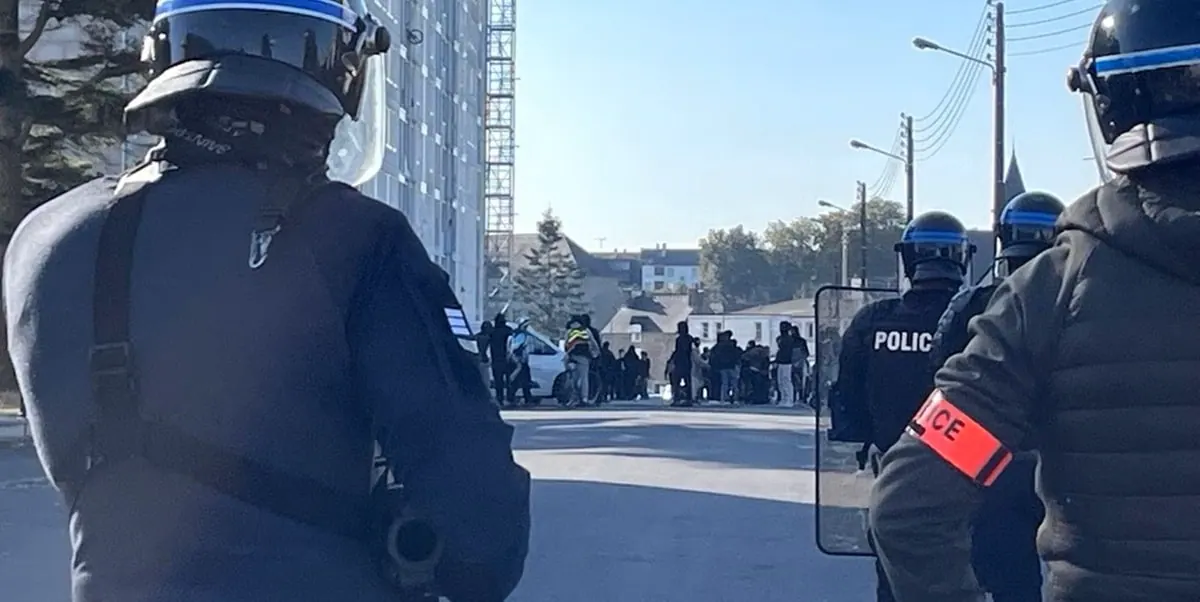
The strike has been marked by incidents of violence, with 24 schools reportedly damaged or destroyed, and 78 education personnel injured. According to Reuters, approximately 5,000 people, mostly teenagers, have been arrested since the strike began. The French government is facing pressure to respond to the students' demands, with Prime Minister Sébastien Lecornu asking ministers to work on addressing some of the issues raised by the students.
A national day of action is planned for Tuesday, October 6, with several student organizations and unions announcing their support. The French Ministry of National Education has estimated that around 160 schools in the Paris region, or around a third of all high schools in the area, would be closed or severely disrupted on Monday.
The government has announced plans to increase funding for education, with a proposed budget of 1.2 billion euros for 2027. However, students and their representatives remain skeptical, and are calling for more concrete action to address their concerns. The strike has highlighted the challenges facing the French education system, including teacher shortages and inadequate infrastructure.
The movement has been led by student representatives, who have been meeting with government officials to discuss their demands. However, the talks have so far failed to produce a resolution, and students are calling for continued action to pressure the government to take their concerns seriously.
As the strike enters its third week, the French government is facing growing pressure to find a solution. With many schools affected and incidents of violence reported, the authorities are working to balance the need to respond to students' demands with the need to maintain order and prevent further disruptions.
Key points
- The strike has been marked by incidents of violence, with 24 schools damaged or destroyed and 78 education personnel injured.
- The French government has announced plans to increase funding for education, with a proposed budget of 1.2 billion euros for 2027.
- The strike has affected hundreds of schools across France, with nearly 30% of high schools impacted on October 1.