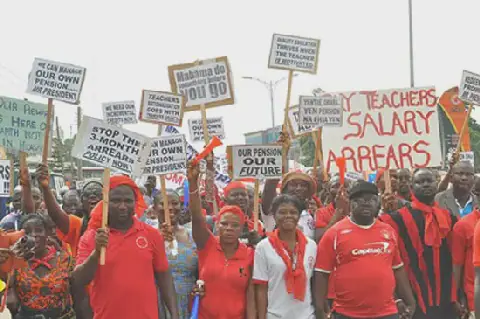
A wave of protests by French high school students has spread to hundreds of schools, mainly in suburban areas, over the past few days. The students are demanding better resources, replacement of absent teachers, and reduced class sizes. The protests began at a high school in Créteil, near Paris, and have since gained momentum. The demonstrations have been marked by blockades, clashes with police, and vandalism.
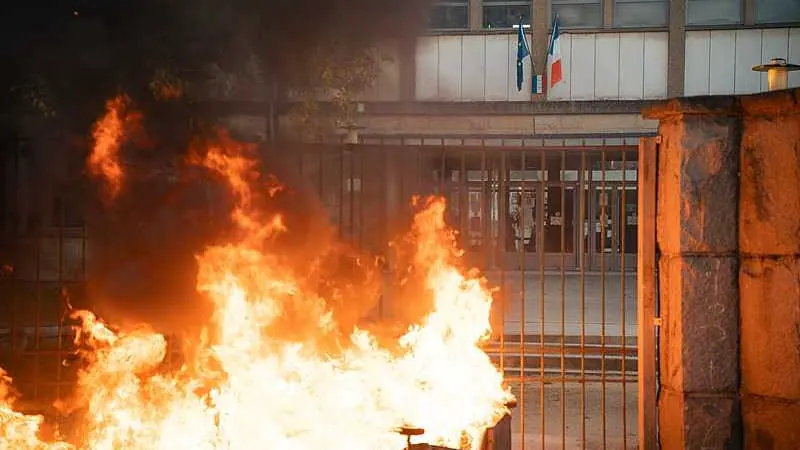
On September 29, a national day of mobilization was observed, but the situation escalated on October 1. Students and some university students joined forces to blockade several schools. In various cities, including Toulouse, Bordeaux, and Brest, police used tear gas to disperse the protesters. In Nantes, a high school was severely damaged after its entrance was set on fire, leaving the building ravaged and several classrooms degraded.
The incident at the Nelson-Mandela high school in Nantes has raised concerns about the safety of students and staff. The school is expected to remain closed until the Toussaint holidays, depriving students of classes for several weeks. The local education authority has prioritized the safety of students and staff. An investigation is underway to determine the cause of the fire, with some witnesses suggesting it started from a burning trash can.
The French government has responded to the crisis by setting up a crisis cell, led by Prime Minister Sébastien Lecornu. The police inspectorate has launched three investigations into injuries sustained by high school students, raising questions about the police response to the protests. Education Minister Edouard Geffray reported that 65 members of school staff had been injured, including 40 school principals.
The protests have taken on a political dimension, with some politicians accusing La France insoumise, a left-wing party, of fueling the protests for partisan gain. However, supporters of the party argue that the protests are a legitimate expression of frustration with the state of public education. The debate is expected to continue, with some calling for a distinction to be made between peaceful protesters and those responsible for vandalism.
The crisis has highlighted several key issues, including the allocation of resources to schools, particularly in suburban areas, and the safety of students and staff. The protests have also raised concerns about the continuity of education in damaged schools and the government's response to the mobilization. The situation remains volatile, with further protests and clashes possible.
As the protests continue, the government faces pressure to address the underlying issues driving the unrest. The Education Ministry has promised to review the situation and work towards finding solutions to the problems faced by students and staff. The protests have sparked a national conversation about the state of education in France and the need for reform.
Key points
- The protests have spread to hundreds of schools, mainly in suburban areas.
- Several schools have been damaged, including the Nelson-Mandela high school in Nantes.
- The government has set up a crisis cell to respond to the situation.