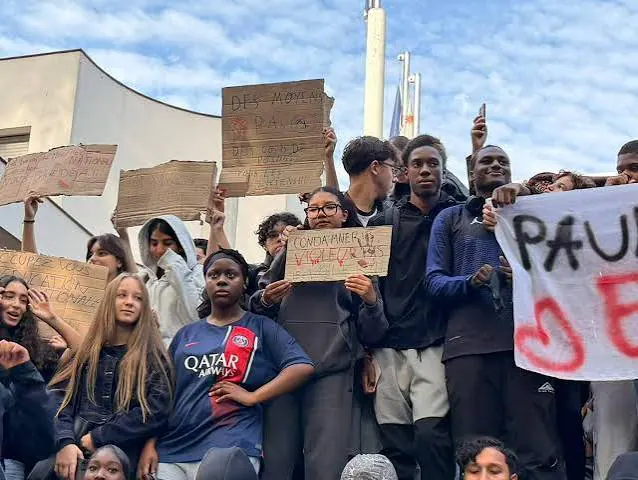
French Prime Minister Sebastien Lecornu has called an emergency meeting to address the rapid escalation of high school student protests that have spread across the country. The protests began as a response to poor conditions in educational institutions, with students blocking entrances to several high schools in impoverished suburbs of Paris. The protests have since expanded to other areas, driven by demands from the student union for better resources and working conditions.
The protests, led by the student union, focus on issues including a shortage of teachers and staff, deteriorating school conditions, overcrowded classrooms, and exhausting schedules. While most protests have been peaceful, some have involved the burning of trash cans and vandalism, with allegations of police using excessive force against demonstrators. According to Valerie Pecresse, president of the Ile-de-France region, over 200 schools have been affected, with damages estimated at over €1 million.
The protests have drawn significant political attention, with left-wing presidential candidate Jean-Luc Melenchon and his party, La France Insoumise, participating in some demonstrations to show support for the students and protect them from confrontations with police. Melenchon has accused the government of neglecting the needs of students and contributing to the tensions.
However, not all politicians agree with Melenchon's approach. Marine Le Pen, the far-right presidential candidate, has criticized Melenchon for his involvement, accusing him of exacerbating the situation. The exchange between the two politicians highlights the growing political divide over the protests.
Prime Minister Lecornu has previously criticized Melenchon's participation, accusing him of irresponsibly escalating the situation. Lecornu emphasized the importance of elected officials promoting calm and protecting young people, rather than exploiting their anger for political gain.
The protests have brought attention to long-standing issues within France's education system, including inadequate resources and infrastructure. As the situation continues to unfold, the government faces pressure to address the concerns of students and find a resolution to the crisis.
The outcome of the emergency meeting and the government's response to the protests remain to be seen. One thing is certain, however: the debate over education reform and the handling of the protests will likely have significant implications for French politics in the lead-up to the next presidential election.
Key points
- The protests have affected over 200 schools across France.
- The student union is demanding better resources and working conditions.
- The protests have sparked a heated political debate, with multiple presidential candidates weighing in.