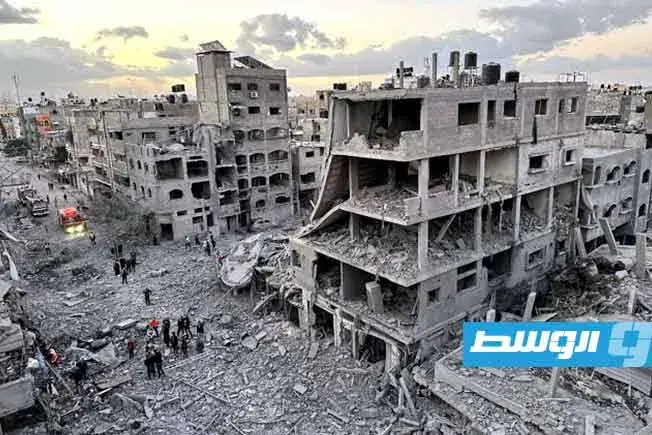
A French defense firm, MBDA, has been referred to a French court for allegedly providing components used in Israeli bombs that targeted Gaza. The company is accused of failing to exercise due diligence in its supply chain, enabling the use of its products in attacks that resulted in significant civilian casualties. According to reports, MBDA supplied wing components to US-based Boeing, which manufactured the GBU-39 bombs used by the Israeli military.
The case was brought forward by several French associations, including the French-Palestinian Solidarity Association, the Republican Ethical Security Association, and the Jurdi association, which represents lawyers working to uphold international law. These groups claim that MBDA's actions contributed to grave breaches of international humanitarian law and human rights law. The court's review of the case could have significant implications for the defense industry's accountability in armed conflicts.
An investigation by media outlets in July 2025 revealed that components made by MBDA were used in bombs dropped on civilians in Gaza. The investigation found that at least 24 airstrikes between November 2023 and May 2025 resulted in over 500 deaths, including more than 100 children. These attacks targeted schools, refugee camps, and a mosque, raising concerns about the use of MBDA's products in disproportionate and indiscriminate attacks.
MBDA responded to a judicial warning in April by stating that its duty of vigilance only applied to its immediate supply chain and not to the end-use of its products by customers. However, this argument has been disputed by the associations bringing the case, who argue that the company had a responsibility to consider the potential consequences of its actions.
The case against MBDA comes amid growing scrutiny of the defense industry's role in armed conflicts. In June, a French court ruled against oil major TotalEnergies, ordering the company to incorporate indirect emissions into its climate plans. This ruling set a precedent for holding companies accountable for their impact on the environment and human rights.
The investigation into MBDA's actions has sparked debate about the need for greater transparency and accountability in the defense industry. Human rights groups and associations have called for stricter regulations to prevent companies from contributing to human rights abuses and breaches of international law.
As the case against MBDA proceeds, it is likely to draw attention to the complexities of international arms sales and the challenges of ensuring accountability in global supply chains. The outcome of the case could have significant implications for the defense industry and for efforts to uphold human rights and international law in conflict zones.
Key points
- French defense firm MBDA accused of supplying components for Israeli bombs used in Gaza
- Case brought forward by French associations alleging breaches of international humanitarian law and human rights law
- Court ruling could have significant implications for defense industry accountability in armed conflicts