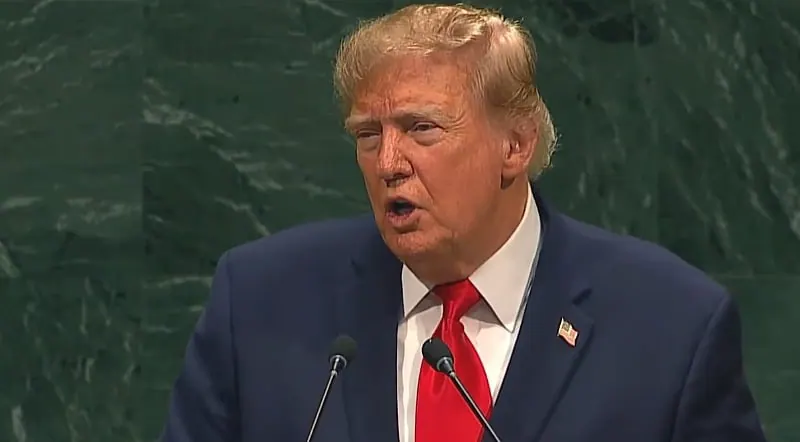
In a recent address to the United Nations General Assembly, US President Trump emphasized the importance of freedom and American sovereignty, while downplaying the threat of climate change. This stance has sparked debate among world leaders and climate experts. The concept of equal liberty suggests that individuals should be able to maximize their freedom without infringing on the rights of others. However, the issue of climate change has significant implications for global freedom and sovereignty.
Human-induced climate change is causing sea levels to rise, with devastating consequences for low-lying countries. In Bangladesh, millions of people are farming on land that is only a meter above high tide, making them highly vulnerable to flooding. The impact of climate change is also being felt in Nepal, where rapid glacier melting and permafrost erosion have triggered catastrophic collapses. These events have significant implications for the freedoms and sovereignty of affected nations.
The melting of Himalayan glaciers has far-reaching consequences, as these glaciers feed rivers that sustain two billion people in India, Pakistan, and China. These countries are nuclear powers, and the impact of climate change on their resources and populations could have significant global implications. The issue of climate change raises questions about the responsibilities that come with national sovereignty.
If President Trump were the head of a small island nation, his view on climate change might be different. Many small island nations, such as Fiji and the Marshall Islands, are threatened by climate change, despite having contributed relatively little to global carbon dioxide emissions. Their sovereignty is under threat, and they are calling for global cooperation to address the root causes of climate change.
Climate change is creating refugees, which President Trump condemned in his UN speech. However, his militarized immigration policies have been criticized for turning the United States into an "armed lifeboat." Rich countries are protecting their resources while shutting out the rest of the world, rather than cooperating globally to address the root causes of climate change.
Indian scientist and activist Vandana Shiva points out that the separation of rights and responsibilities is the beginning of any destructive enterprise. The concept of liberty is a fundamental right, but it also comes with responsibilities. The United States has significant power to shape the world and should embrace its responsibility to address climate change.
The issue of climate change requires a global response, with countries working together to reduce carbon emissions and mitigate its impacts. The US, in particular, has a significant role to play in this effort, given its historical contribution to greenhouse gas emissions and its current level of influence on the global stage. By taking action on climate change, the US can help protect the freedoms and sovereignty of nations around the world.
Key points
- Climate change poses a significant threat to global freedom and sovereignty.
- The US has a significant role to play in addressing climate change.
- Global cooperation is needed to mitigate the impacts of climate change.