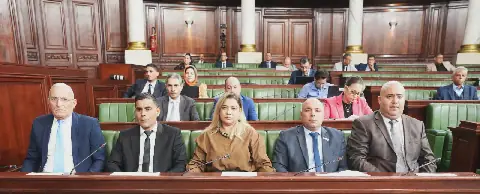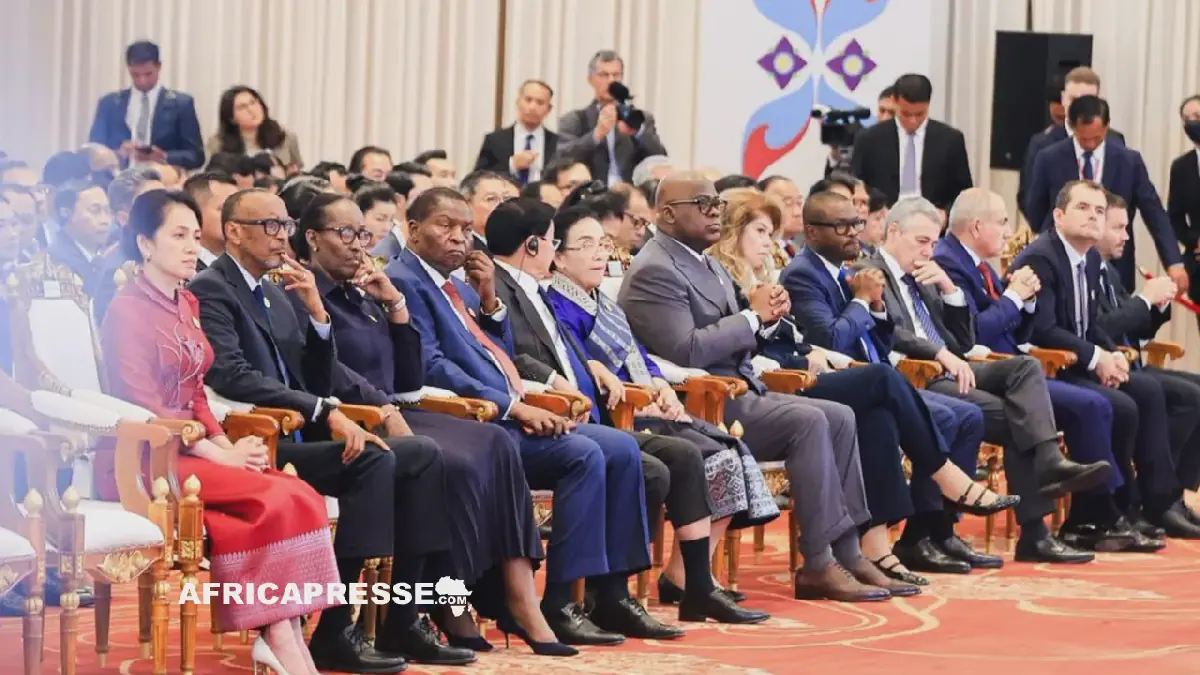
The 20th Francophonie Summit, which began on November 15 in Phnom Penh, Cambodia, has brought together state leaders and governments to focus on peace and dialogue. The summit, themed "Reinvesting in Peace for Shared Prosperity and Sustainable Stability," aims to reaffirm the political vocation of the International Organization of La Francophonie (OIF) and its ability to promote law over force in a world facing multiple crises. French President Emmanuel Macron, the outgoing president of the summit, emphasized the importance of the French language as an instrument of rapprochement among peoples.
The summit has been marked by calls for unity and solidarity among member states, with Cambodian Prime Minister Samdech Hun Manet recalling the historical roots of the Francophonie institutional in Africa. He proposed three areas of action: preventing conflicts, preparing future generations for technological changes, and promoting shared prosperity. The Prime Minister also emphasized the importance of preserving national identities within the Francophonie, stating, "We are fully Khmer, fully Asian, and fully Francophone."
However, behind the scenes, diplomatic rivalries are emerging, particularly over the designation of the next Secretary-General for the 2027-2030 term. Rwandan Louise Mushikiwabo, who has been in office since 2019 and was reappointed in 2022, is seeking a third term, which is contested by the Democratic Republic of Congo. Four candidatures were initially registered, including those of Mushikiwabo, Congolese Juliana Amato Lumumba, Mauritanian Coumba Bâ, and former Romanian Prime Minister Dacian Cioloș.
The withdrawal of Juliana Amato Lumumba's candidacy in favor of Dacian Cioloș has sparked criticism from Kigali, which advocates for an African candidate to lead the organization. The issue has taken on a diplomatic dimension between Rwanda and Burundi, with Burundian Foreign Minister Édouard Bizimana denouncing what he sees as an attempt to impose candidates within an international organization.
In response, Rwandan Foreign Minister Olivier Nduhungirehe cited Bizimana's responsibilities within the African Union and the decision adopted by the UA Executive Council in July 2026, which approved the candidatures of Louise Mushikiwabo, Juliana Amato Lumumba, and Coumba Bâ. The outgoing Secretary-General, Louise Mushikiwabo, defended the relevance of the organization, highlighting its 90 member states and governments across five continents.
The search for consensus remains a priority for Francophone institutions, but the possibility of a vote in the absence of an agreement between member states is being discussed. The summit must balance two imperatives: reaffirming the Francophonie's vocation as a space for dialogue and solidarity, while overcoming differences between its members on the organization's governance.
The International Organization of La Francophonie (OIF) was created in 1970 in Niamey and currently comprises 90 states and governments, including 53 full members, five associate members, and 32 observers. The designation of the Secretary-General for the 2027-2030 term is scheduled for November 16, 2026.
Key points
- The Francophonie Summit in Phnom Penh focuses on peace and dialogue, but faces challenges due to diplomatic rivalries over the next Secretary-General.
- The summit aims to reaffirm the political vocation of the OIF and promote law over force in a world facing multiple crises.
- The International Organization of La Francophonie comprises 90 states and governments across five continents.