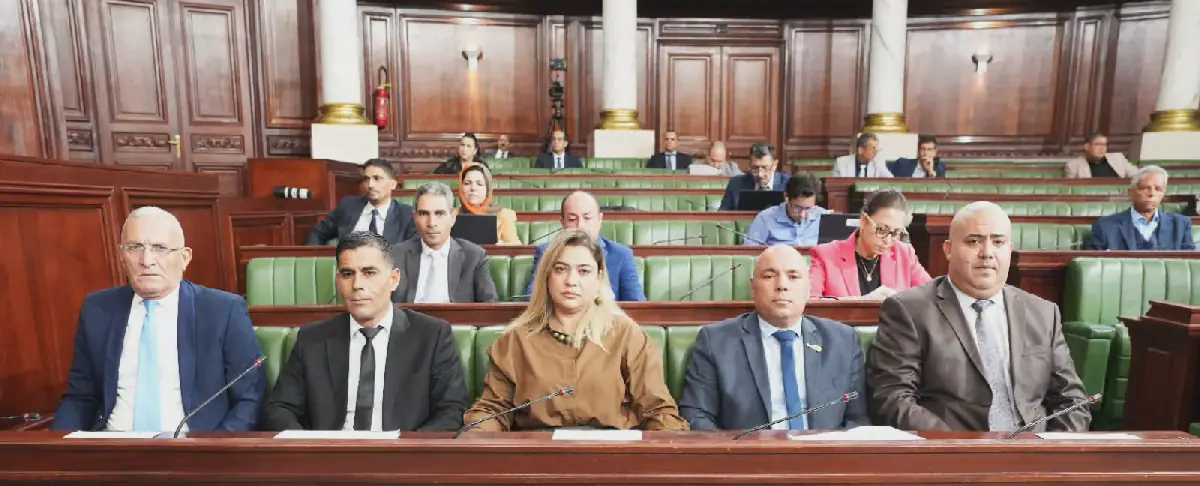
The Tunisian parliament recently examined the 2027 budget for the Ministry of Health, with lawmakers expressing concerns over several shortcomings in the healthcare sector. These concerns include a lack of medicines, equipment, and medical and paramedical staff, as well as delayed healthcare projects, long waiting periods, deteriorating infrastructure, and uneven distribution of healthcare services across regions. The criticisms were raised during a plenary session attended by Health Minister Mustapha Ferjani.
A significant portion of the lawmakers' interventions focused on the issue of medicine shortages, particularly for patients with cancer and chronic diseases. They called for urgent action to address these shortages and ensure a stable supply of vital medicines. Some deputies proposed establishing a system to monitor and anticipate medicine stock levels to prevent future shortages. They also suggested creating a strategic stockpile of medicines for patients with chronic conditions.
The issue of certain diabetes medications not being covered by the National Health Insurance Fund (CNAM) was also raised. Several lawmakers argued that supporting local pharmaceutical production could help alleviate the pressure on the country's foreign exchange reserves, which are currently used to import medicines and pharmaceutical products. They emphasized the need to encourage local production and enhance the country's capacity to meet its own medicine needs.
The financial difficulties faced by some hospitals due to delayed payments from CNAM were also discussed. Lawmakers requested that these debts be settled to ensure the continuity of healthcare services. Additionally, they highlighted the disparities in healthcare services between regions, particularly in rural areas, which suffer from a lack of specialist doctors, medical and paramedical staff, and basic equipment.
The current healthcare map is considered outdated and in need of revision to ensure a more equitable distribution of healthcare establishments and services. Lawmakers called for enhanced decentralization of healthcare services and better equipping of regional and local hospitals to improve patient care. They also proposed creating new basic health centers in various regions and upgrading some regional hospitals to university hospitals.
Several lawmakers raised concerns about delayed healthcare projects, calling for the establishment of clear deadlines for their completion and the removal of administrative and land-related obstacles. They also noted that the investment credits allocated, approximately 847 million dinars, are insufficient to address the development needs of healthcare infrastructure and improve patient care. Furthermore, they criticized the lengthy waiting periods for medical appointments and the overcrowding of emergency services.
The issue of idle medical equipment in public hospitals, such as scanners and magnetic resonance imaging (MRI) machines, was also addressed. Lawmakers questioned the reasons behind the inactivity of these machines, which are crucial for disease diagnosis and patient care. Additionally, they inquired about the preparedness of emergency medicine services to handle critical situations, particularly in light of climate change and the increased risk of heat-related illnesses.
Key points
- Insufficient allocation of 4,000 agents in the 2027 budget to address personnel shortages in the healthcare sector.
- Need for a strategic stockpile of medicines for patients with chronic conditions to prevent shortages.
- Revision of the healthcare map to ensure a more equitable distribution of healthcare establishments and services across regions.