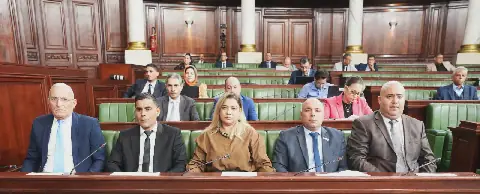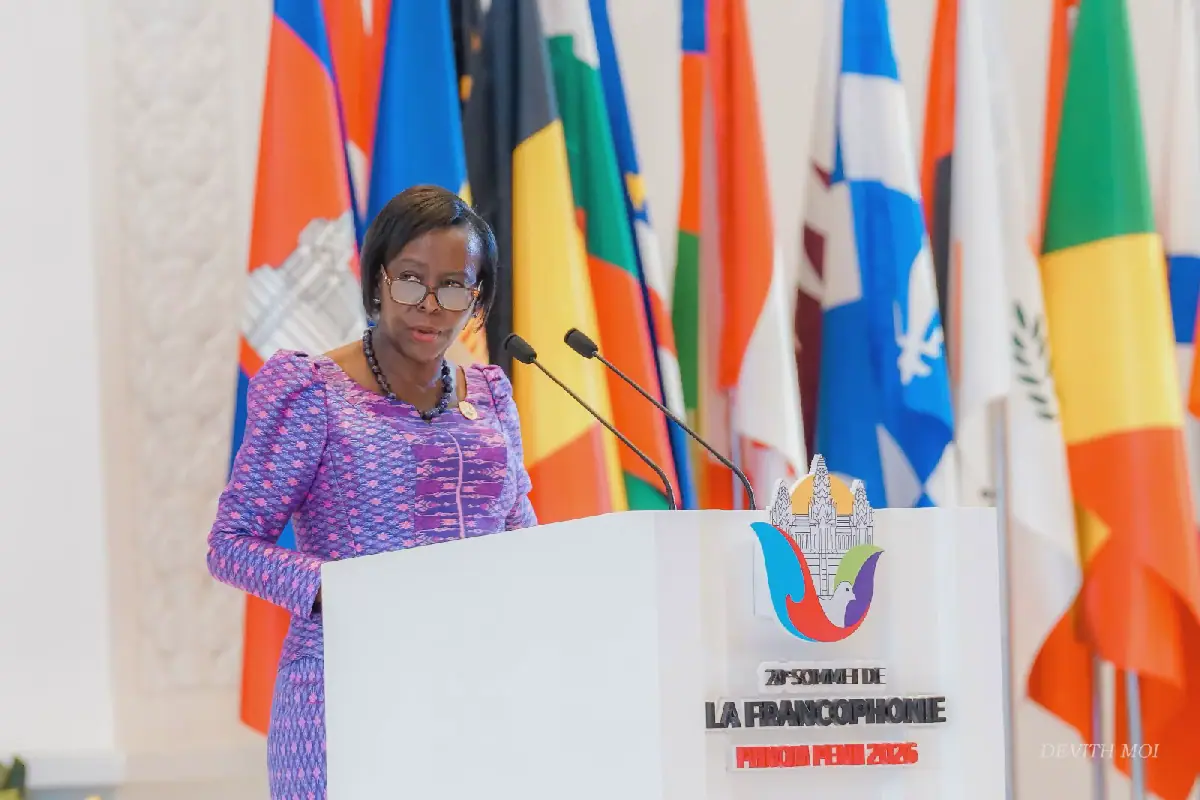
The 20th Francophonie Summit commenced in Phnom Penh, Cambodia, with leaders from member states convening to discuss the organization's future. At the center of the discussions is the potential third term of Louise Mushikiwabo, the current Secretary-General from Rwanda. Her possible reappointment has sparked divisions among member states, primarily due to tensions between Rwanda and the Democratic Republic of Congo. Mushikiwabo is supported by Rwandan President Paul Kagame, who is present at the summit.
Mushikiwabo's bid for a third term is contested by several countries, including the Democratic Republic of Congo. Kinshasa has threatened to leave the Organisation internationale de la Francophonie (OIF) if Mushikiwabo is reappointed. The Congolese government now supports the candidacy of former Romanian Prime Minister Dacian Cioloș. Other contenders for the position include Mauritanian Coumba Bâ. The divisions are further complicated by the withdrawal of Burkinabé, Malian, and Nigerien representatives, who criticize the organization for political interference.
Senegalese President Bassirou Diomaye Faye has reportedly taken steps to harmonize the positions of African leaders on the matter. According to diplomatic sources, Faye has initiated discussions with his counterparts to reach a consensus. The summit's agenda also includes discussions on "reinvesting in peace for shared prosperity and durable stability." The host country, Cambodia, draws on its own history of conflict and reconstruction to emphasize the fragility of peace.
The summit's working sessions will focus on areas such as education, youth, culture, gender equality, digitalization, and democratic governance. Leaders are expected to make commitments in these areas and assess the organization's progress since the adoption of its 2024-2027 programming. The meeting will conclude with the adoption of the Phnom Penh Declaration.
The crisis between Rwanda and the Democratic Republic of Congo significantly influences the discussions. The two countries have a longstanding dispute, and the Francophonie summit has become a platform for these tensions to surface. Louise Mushikiwabo maintains that she is eligible for a third term, citing the absence of any organizational texts prohibiting it.
In the event of a lack of consensus, member states may resort to a vote to determine the next Secretary-General. This approach could lead to a more contentious outcome, potentially affecting the unity of the Francophonie. The organization has traditionally operated on the principle of consensus, but the current divisions may necessitate a different approach.
As the summit continues, leaders will need to balance their national interests with the goal of maintaining the Francophonie's unity and effectiveness. The outcome of the discussions on Louise Mushikiwabo's candidacy and the organization's future direction will have significant implications for the Francophonie and its member states. The summit's conclusions will be closely watched by observers and stakeholders within the organization.
Key points
- The 20th Francophonie Summit is divided over Louise Mushikiwabo's potential third term as OIF Secretary-General.
- The summit's agenda includes discussions on education, youth, culture, and democratic governance.
- The crisis between Rwanda and the Democratic Republic of Congo influences the discussions on Mushikiwabo's candidacy.