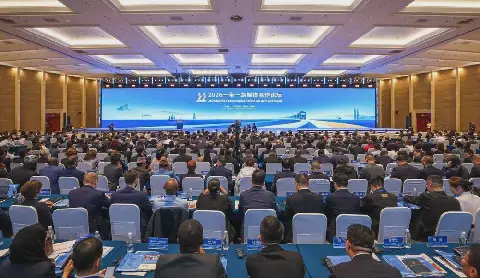
The Organization internationale de la Francophonie (OIF) will hold its 20th summit in Phnom Penh on November 15-16, where leaders will elect a new Secretary General. This year's election marks a significant change in the organization's leadership selection process, as it will be decided by a vote rather than bilateral consultations and consensus. The new Secretary General will serve a four-year term from 2027 to 2030. This shift in process stems from a March 2022 institutional reform that gives the choice to heads of state and government.
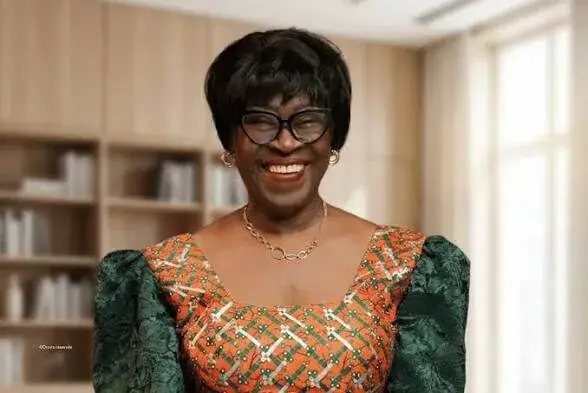
Four candidates are vying for the position: Louise Mushikiwabo of Rwanda, the current Secretary General seeking a third term; Coumba Bâ of Mauritania, who has the personal support of President Mohamed Ould Ghazouani; Dacian Cioloș, the former Prime Minister of Romania; and Juliana Amato Lumumba of the Democratic Republic of Congo. Each candidate has presented their vision to the ministers of foreign affairs, with the Congolese candidate, Lumumba, advocating for a "Francophonie des peuples" and proposing an "Académie francophone de la paix".
The election holds significant implications for Africa, as the continent accounts for the majority of French-speaking populations. The Democratic Republic of Congo, being one of the most populous countries in the Francophone space, hopes to translate its demographic weight into greater influence within the organization. The Congolese government officially endorsed Lumumba's candidacy on February 26, 2026.
The election also marks a test for the organization's ability to function through democratic debate and voting. The Francophonie has faced challenges, including a lack of interest from some member states between summits. The theme of the summit, "La paix, la stabilité et la prospérité durable," highlights the need for concrete actions to address these challenges.
The Francophonie's strategic direction is also a pressing issue. An observer notes that the organization's difficulties stem from its failure to engage member states between summits. The election of a new Secretary General will not be enough to address these issues; the organization must demonstrate its relevance and influence through concrete actions.
The winner of the election will inherit an institution that needs to consolidate its credibility and translate its influence into tangible actions. The Francophonie's future role in promoting peace, stability, and sustainable development will depend on its ability to adapt to changing global circumstances and address the needs of its member states.
The outcome of the election will be a significant indicator of the Francophonie's ability to evolve and remain relevant in a rapidly changing world. The organization's future will depend on its capacity to engage its member states, promote democratic values, and address the challenges facing the global community.
Key points
- The Francophonie organization is set to elect a new Secretary General through a vote, marking a historic shift in its leadership selection process.
- The election holds significant implications for Africa, as the continent accounts for the majority of French-speaking populations.
- The Francophonie's future role in promoting peace, stability, and sustainable development will depend on its ability to adapt to changing global circumstances and address the needs of its member states.