France has summoned Iran's ambassador to protest what it calls a "disinformation campaign" by Iranian authorities regarding ongoing high school student protests in France. The move comes after Iranian authorities described the French government's handling of the protests as violent and alleged human rights violations. French Foreign Ministry spokesperson Pascal Confavreux stated that the ambassador was summoned to express France's disapproval of false information shared online by official Iranian accounts.
The diplomatic dispute escalated after Iran summoned France's ambassador in Tehran, Pierre Cochard, over the French government's handling of the student protests. France rejected Iran's decision, calling it unfounded and unacceptable. Confavreux emphasized that the provocations must stop, highlighting the need for respectful diplomatic interactions between the two nations.
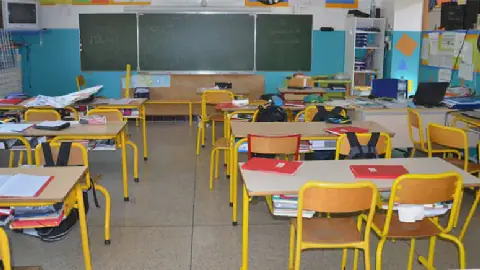
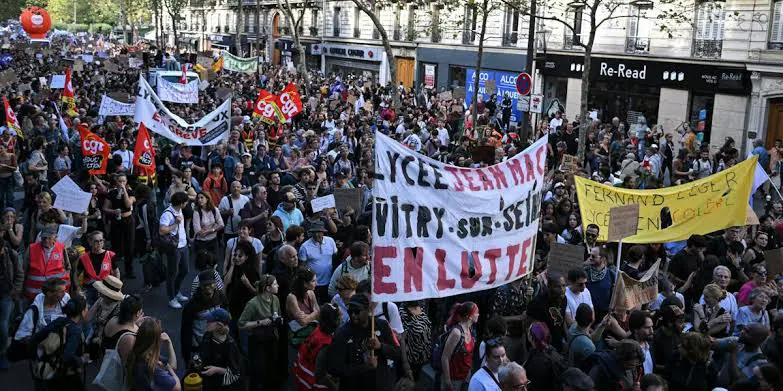
The student protests in France have been ongoing, with high school and university students blocking schools and demanding changes related to education and government policy. Student and university groups have called for further blockades and demonstrations, with several teachers' unions backing the movement. The protests have raised concerns over police tactics, particularly following clashes between students and security forces.
Interior Minister Laurent Nuñez reported that authorities had made 6,629 arrests since September 28, with 761 police officers and gendarmes injured, alongside 215 students and 89 education staff. Nuñez defended the government's handling of the protests, rejecting claims of excessive force used by police. He also denied reports that President Emmanuel Macron had criticized the security forces during a meeting at the Élysée Palace.
Nuñez announced the suspension of the use of stun grenades during the high school student protests, following injuries during recent demonstrations, including a 15-year-old student who lost a hand in Lens. The decision aims to reduce the risk of serious injuries during the protests. Meanwhile, student and university representatives have expressed a desire to meet Prime Minister Sébastien Lecornu, arguing that the government has not yet announced concrete measures in response to their demands.
Ryad Rani, president of the Union Syndicale Lycéenne, stated that student organizations had prepared costed proposals and were seeking a meeting with Lecornu next week. The government reported that the scale of Wednesday's mobilization was significantly lower than Tuesday's demonstrations, which saw large numbers of students participate in protests across France. Lecornu is expected to address the country from Matignon on Wednesday evening as pressure grows on the government to respond to the movement.
The situation remains tense as the government faces pressure to address the students' demands and concerns over police tactics. The diplomatic dispute with Iran has added another layer of complexity to the situation, with both nations engaging in a war of words over the issue. As the protests continue, the government will need to navigate the challenges and find a solution that addresses the concerns of all parties involved.
Key points
- France summons Iran's ambassador over disinformation claims on student protests.
- Student protests in France continue, with concerns over police tactics and government response.
- France and Iran engage in diplomatic dispute over student protests and alleged human rights violations.