Protests have been ongoing in France for the fourth consecutive week, with thousands of people taking to the streets to express their discontent with the government's handling of the economy and public services. The protests, which began as a response to declining purchasing power and rising living costs, have now expanded to include demands for better wages and improved public services. According to the French Interior Ministry, over 575,000 people participated in 193 demonstrations across the country on Thursday, with 65,000 of them in Paris.
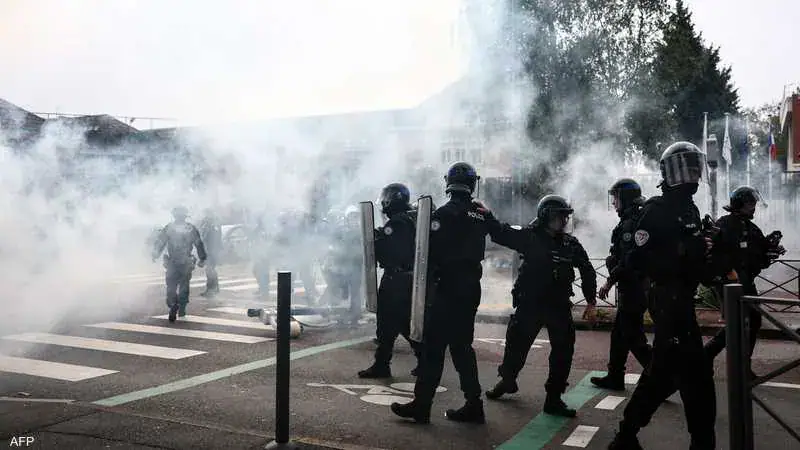
The protests have been marked by clashes between police and demonstrators, with the Interior Ministry reporting 642 arrests and 112 police officers injured. The government has deployed 70,000 police and gendarme officers to maintain order, with some protests turning violent. In Lyon, police used tear gas to disperse a march that began at a tobacco factory. The protests have also sparked criticism of the government's handling of the situation, with many accusing the authorities of using excessive force against demonstrators.
The French government has faced criticism for its security approach to the protests, with many arguing that it has failed to address the root causes of the unrest. The government's decision to use tear gas, water cannons, and batons against protesters has been widely condemned, with some critics arguing that it has only served to escalate the situation. The protests have also raised concerns about the impact on the French economy, with some businesses forced to close due to the unrest.
The protests have sparked a wider debate about the state of democracy and human rights in France. Some critics have argued that the government's handling of the protests is at odds with its rhetoric on democracy and human rights. The situation has also sparked a reaction on social media, with many users expressing concern about the use of force against protesters and the impact on civil liberties.
The French government has announced plans to open a dialogue with unions and employers about wages and purchasing power. Prime Minister Sebastian Lecornu has called for a social conference on November 9 to discuss the issues. However, some critics argue that the government is too focused on maintaining order and has not done enough to address the underlying causes of the protests.
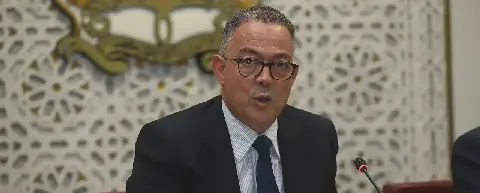
The protests in France have also sparked a reaction in Morocco, with some commentators drawing comparisons between the two countries' approaches to security and public order. Some have argued that Morocco's approach to security, under the leadership of Interior Minister Abdelatif Hammouchi, has been more effective in maintaining public order while respecting human rights.
The situation in France remains uncertain, with more protests planned in the coming days. The government faces a difficult task in balancing the need to maintain order with the need to address the underlying causes of the protests. As the situation continues to unfold, it remains to be seen whether the government can find a way to resolve the crisis and restore public trust.
Key points
- The protests in France have entered their fourth week, with thousands of people taking to the streets to express their discontent with the government's handling of the economy and public services.
- The government's security approach to the protests has been widely criticized, with many arguing that it has failed to address the root causes of the unrest.
- The protests have sparked a wider debate about the state of democracy and human rights in France, with some critics arguing that the government's handling of the situation is at odds with its rhetoric on these issues.