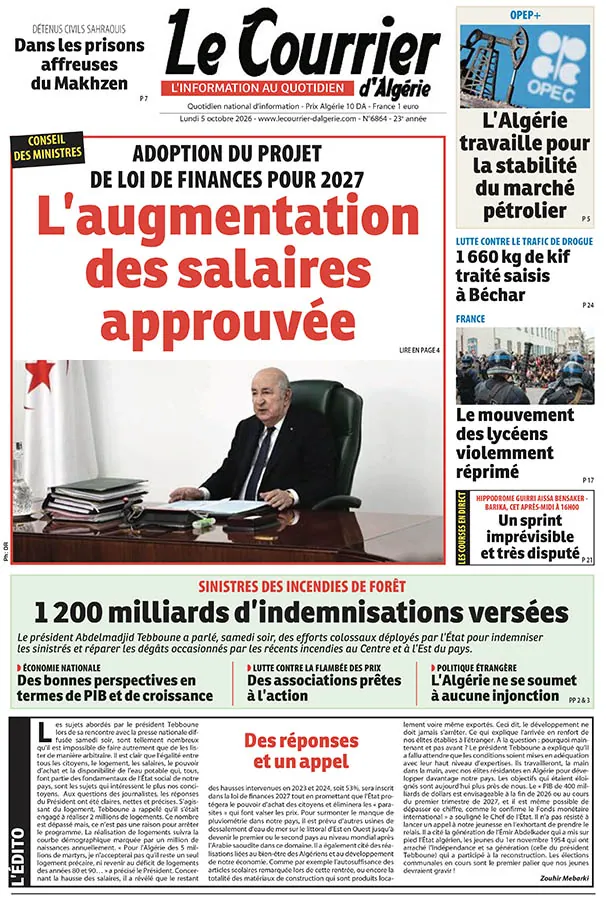
A wave of protests by French high school students has entered its third week, with hundreds of schools affected. The movement began on September 17 in a school in the Paris region and has since spread, with between 500 and 700 schools blocked. The protests have been marked by clashes between students and police, with many students injured and some arrested. The situation remains tense, with students demanding improvements to their learning environment.
The protests have been sparked by a range of issues, including the replacement of absent teachers, the recruitment of more teaching staff, and improvements to school facilities. Students are also calling for an end to poor sanitation and the renovation of outdated buildings. Many schools are plagued by pests such as rats and cockroaches, and students are demanding action to address these issues. The protests have been widely covered in the French media, with many outlets describing the situation as a major crisis.
Despite the legitimate nature of the students' demands, the French government's response has been criticized. Over 5,000 students have been detained, with 87% of them being minors. Over 1,800 people are facing prosecution, including over 1,400 minors and 300 adults. Fourteen people have been placed in provisional detention on the orders of the justice system. The use of force by police has been widely criticized, with many students injured, including some seriously.
The protests have also highlighted the issue of police brutality, with many students subjected to violent treatment. At least 190 students have been injured, with some cases being severe, including a student who had his hand torn off. The French media has been criticized for not adequately covering the extent of the police repression. Many commentators and pundits who are quick to analyze and comment on democracy and human rights issues around the world have been conspicuous in their silence on this issue.
The French government's response to the protests has been described as ultra-securitarian. The use of force by police has been widely condemned, and many have questioned the government's commitment to human rights and freedom of expression. The protests have also highlighted the need for greater investment in education, with many schools facing significant challenges in terms of resources and infrastructure.
The protests have sparked a wider debate about the state of education in France. Many politicians and commentators have been quick to lecture other countries on human rights and freedom of expression, but have been silent on the issue of police repression in France. The government's response to the protests has been criticized by many, who argue that it has failed to address the underlying issues driving the protests.
The protests are set to continue, with students determined to push for change. The French government faces a significant challenge in addressing the issues driving the protests, including teacher shortages, poor facilities, and police brutality. The situation remains tense, with many students and teachers calling for greater investment in education and a more nuanced approach to addressing social unrest.
Key points
- Over 5,000 students have been detained during the protests, with 87% of them being minors.