France has been hit by a wave of protests and strikes as the government prepares to cut around 56 billion euros from its social spending. The move has sparked widespread discontent among public sector workers, including firefighters, healthcare workers, and transport staff, who went on a nationwide strike on Tuesday. The strike was supported by all major unions in the public sector. The protests and strikes come as the government faces criticism for reducing funding for public services and failing to keep pace with inflation.
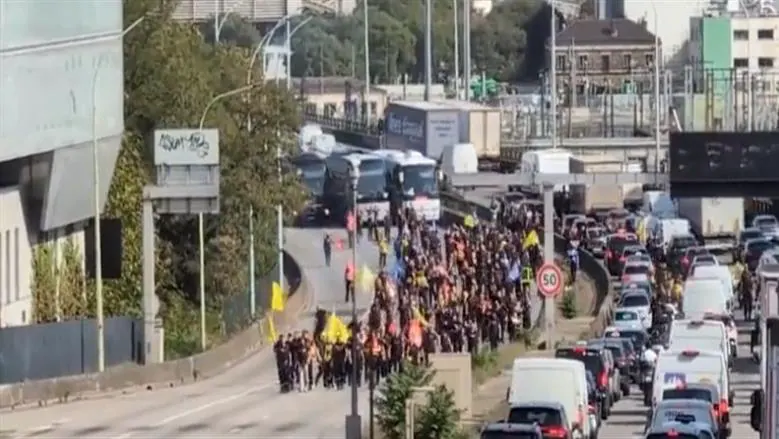
The protests were marked by widespread demonstrations and clashes between protesters and police. In Paris, protesters blocked roads and clashed with police, while firefighters lit torches on the iconic July Column in the Bastille square. Students also clashed with police outside schools across the country. The protests were sparked by concerns over pay, working conditions, and funding for public services. The government has been accused of neglecting public services and failing to address the concerns of workers.
The protests and strikes were also marked by a significant turnout from public sector workers. Around 40% of primary school teachers went on strike, while a quarter of firefighters stayed off work. The strikes were described as a "black day" by the CGT union, which represents many public sector workers. The union said that the strikes were a genuine expression of workers' anger and frustration with the government's policies.
The government has announced plans to cut 54 billion euros from the budget by 2027, which has sparked concerns over the impact on public services. The prime minister, Sebastian Lecornu, will unveil the plans on Thursday. However, the opposition has criticized the move, saying it will only exacerbate the problems faced by public services. The government has raised public sector wages by 5% since Emmanuel Macron took office in 2017, but inflation has risen by 24% over the same period.
The protests and strikes have also been marked by a growing movement of student protests. Over 300 schools were closed in several cities due to protests over class sizes and funding. Students have complained about overcrowded classrooms and neglected schools. The protests have turned violent in some areas, with young people throwing fireworks and clashing with riot police.
The government has faced criticism for its handling of the protests and strikes. The president, Emmanuel Macron, has seen his approval ratings fall to historic lows, with only 18% of respondents expressing support for him in a recent poll. The opposition has accused the government of being out of touch with the concerns of workers and public sector employees.
The protests and strikes are likely to continue in the coming days, with the opposition vowing to intensify the movement. The government has promised to engage in dialogue with unions and workers, but it remains to be seen whether it can address the concerns of public sector workers and prevent further unrest. The situation is being closely watched by investors and observers, who are concerned about the impact on the French economy.
Key points
- The French government plans to cut 56 billion euros from its social spending, sparking widespread protests and strikes.
- Public sector workers, including firefighters and teachers, have gone on strike to protest against the government's policies.
- The protests and strikes have turned violent in some areas, with clashes between protesters and police.