France and Germany are leading efforts to secure a deal on the European Union's 2028-2034 budget and financing for Ukraine by the end of the year. The push comes as several EU member states, including France, Italy, Poland, Greece, Estonia, Finland, and Slovakia, are set to hold elections in 2027, which could complicate negotiations. The next EU budget, which totals almost €1.6 trillion, requires unanimous approval from all 27 member states.
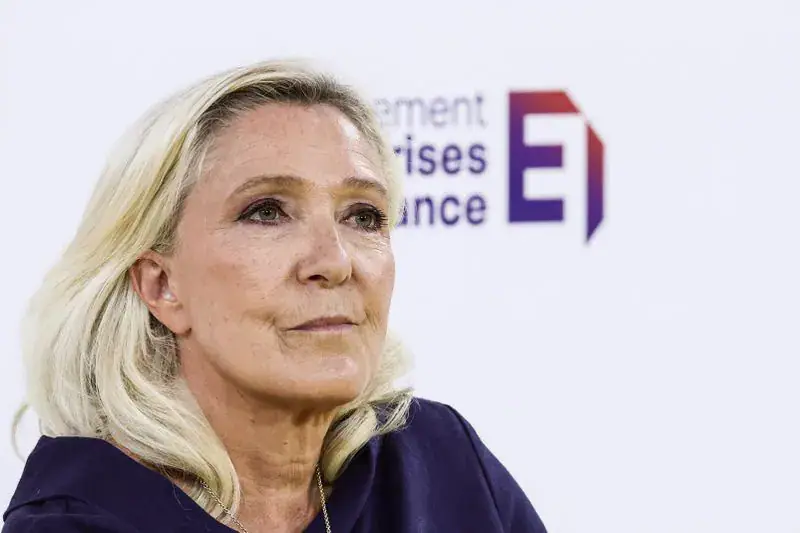
A key factor driving the push for a year-end deal is the possibility of Marine Le Pen, the far-right leader of the Rassemblement National party, becoming president of France after elections in April and May. Le Pen has vowed to end financial aid to Ukraine and slash French contributions to the EU budget. French President Emmanuel Macron emphasized the need for a deal by December 31, stating that after that date, he would no longer be in a position to reopen discussions on the budget.
German Chancellor Friedrich Merz also mentioned the end of 2026 as the deadline for a budget deal. The talks, while inconclusive, aim to help the chair of EU summits, Antonio Costa, present a budget proposal in the coming weeks. EU governments may discuss the proposal at a meeting on December 17 and 18. Austrian Chancellor Christian Stocker noted that even negotiations that do not lead to the desired outcome are necessary to make progress.
The current proposal for the seven-year budget totals €1.582 trillion, including €140 billion to repay pandemic-era borrowing. The largest allocation is €740 billion to support European farmers and help the poorest regions of the EU catch up with richer ones. Additionally, leaders must decide how to continue financing Ukraine as it defends itself against a Russian invasion that started in 2026.
The 2028-2034 budget draft includes up to €100 billion for Ukraine, which diplomats say falls short of the country's needs. The talks also cover aid to Kyiv in 2027, with a proposed loan of €45 billion intended to be borrowed against the EU's current budget. Non-EU countries such as Britain, Norway, Japan, Switzerland, and Canada are expected to provide another €25 billion for Ukraine in 2027.
A division exists between net contributors and net beneficiaries of the EU budget. Countries like Germany, Sweden, the Netherlands, and Finland want EU budget reductions and prioritize spending that makes the EU more competitive. In contrast, countries like Slovakia, the Czech Republic, Hungary, and Bulgaria, which are major net beneficiaries, object to contributing to the €45 billion loan to Ukraine.
The debate reflects ongoing divisions within the EU, with net contributors seeking budget reductions and net beneficiaries advocating for a broader spending approach. The EU's budget negotiations will continue, with a deal by year-end seen as crucial to maintaining public support for the EU in the face of rising far-right popularity.
Key points
- France and Germany are pushing for a EU budget deal by December 31 to avoid complications from elections in several member states.
- The next EU budget totals almost €1.6 trillion and requires unanimous approval from all 27 member states.
- A division exists between net contributors and net beneficiaries of the EU budget, with countries like Germany and Slovakia holding differing views.