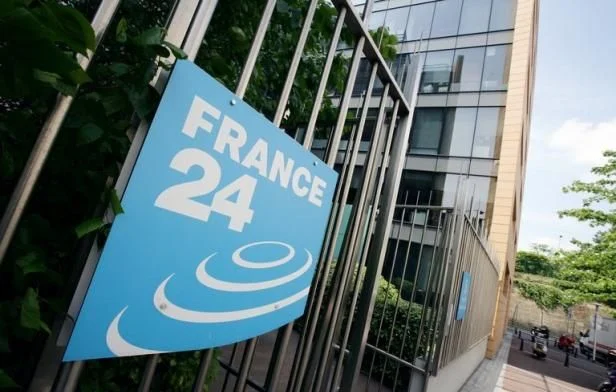
The Guinean authorities have banned France 24 from broadcasting on its territory, following a remark made by the channel describing President Mamadi Doumbouya as a 'putschist'. The ban was announced on September 17, 2026, a day after the High Authority of Communication expressed strong disapproval of the term, deeming it 'deliberate' and 'inappropriate'.
France 24 acknowledged the mistake and offered apologies, stating that they had 'qualified by error' the head of state with the term. The channel announced it would rectify the situation on air and online. However, for the Guinean regulator, the damage was done, as the content remained accessible on France 24's digital platforms despite requests to correct it across all channels.
The strained relationship between Guinea and France is rooted in history, with strong personal, military, academic, and political ties. President Doumbouya, a former French legionnaire, has a personal connection to France, having served in the French army and completed part of his military training there. His rise to power in September 2021, following the ousting of Alpha Condé, and subsequent democratic election in December 2025, have been marked by restrictive policies.
The term 'putschist' brings to the forefront the circumstances surrounding Doumbouya's ascension to power. The issue raises questions about double standards in how France views changes in power across Africa. The leaders of Mali, Burkina Faso, and Niger, also from military takeovers, have had significantly strained relations with France, resulting in actions against several French media outlets.
The incident highlights a broader concern across the African continent regarding who determines the terminology used to describe African leaders. Many Africans do not expect foreign media to cease criticism but demand equal application of principles, regardless of geopolitical interests. Sovereignty, they argue, should not be subject to varying standards.
Despite the current tensions, Guinea and France are likely to restore dialogue due to their intertwined history, economic interests, and personal connections. A single word can reopen old wounds, and in this familial dispute, Africa watches, seeking consistent application of words, principles, and expectations when discussing its nations.
The situation underscores a quest for equal treatment in international media coverage. As nations navigate their relationships and assert their sovereignty, the call for fairness and consistency in external assessments grows louder. The episode between Guinea and France serves as a reminder of the complexities in international relations and the power of words in diplomacy.
Key points
- France 24 was banned in Guinea after describing President Mamadi Doumbouya as a 'putschist', a term the channel later acknowledged was an error.
- The ban reflects deeper complexities in Guinea-France relations, influenced by historical ties and recent political developments.
- The incident raises broader questions about media representation and double standards in international coverage of African nations.