On September 19, 2026, France 24 presented its excuses to Guinea after a controversy arose over a comment made on air, which was considered insulting by the Guinean authorities. The comment was made during a television sequence in which Guinean President Mamadi Doumbouya was referred to as a "putschist president". The High Authority of Communication (HAC) deemed this expression contrary to journalistic ethics and an attack on the dignity of Guinean institutions.
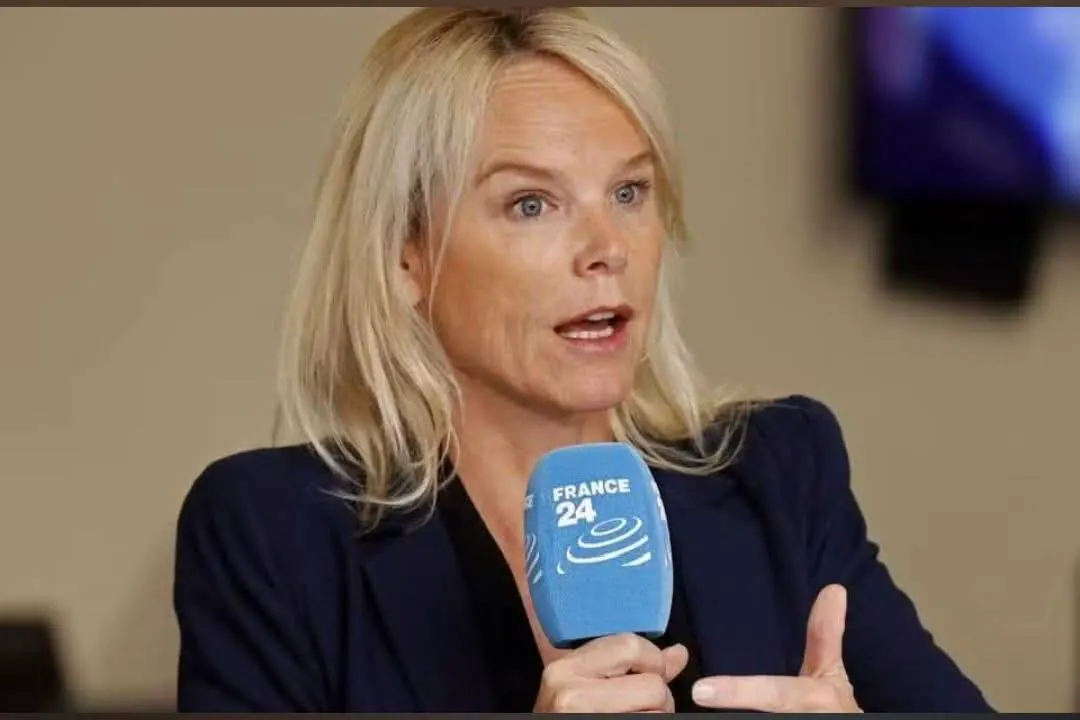
In response to the reactions of the Guinean authorities and the measures taken against the channel, France 24 acknowledged an error of formulation. The channel's director, Vanessa Burggraf, admitted that one of their journalists had used an inaccurate term on air. She emphasized that this mistake was immediately recognized and corrected, and that it was without any intention of disrespecting Guinean institutions, the President's position, or his person.
Vanessa Burggraf also stated that disciplinary and pedagogical measures had been taken internally. The journalist concerned was summoned to be reminded of the responsibility that comes with working for an international channel like France 24. Furthermore, the journalist himself presented his excuses on air, and the editorial team was called upon to exercise the greatest vigilance to prevent such an incident from happening again.
The director of France 24 expressed her understanding of the Guinean authorities' discontent and acknowledged that the formulation had caused offense. This attitude constitutes a relatively rare case, as France 24 had previously mainly defended its editorial line or contested measures taken against it in disputes with African governments. The Guinean case stands out for the extent of the efforts made to recognize the error and seek reconciliation with the country's authorities.
Several observers of international media consider this attitude to be a rare occurrence. While France 24, like many media outlets, has already published corrections or clarifications following editorial errors, it is uncommon for the channel to address formal apologies directly to a head of state and personally request their intervention. This singular approach is also reflected in the conclusion of the letter addressed to President Doumbouya.
In her letter, Vanessa Burggraf requested that the sanctions imposed on the channel be re-examined, given that the person directly concerned by the incident was the President himself. Many analysts believe that this development also testifies to the growing importance of Guinea in regional media and diplomatic debates. The fact that a major international media outlet publicly acknowledges an error, presents official apologies, and directly contacts the head of state constitutes a significant episode in the relations between international press and African authorities.
As discussions continue between the two parties, this affair will likely remain one of the most notable episodes in the relations between France 24 and an African state in recent years, due to the exceptional nature of the apologies formulated, the explicit recognition of the error, and the official approach engaged with the President of the Republic of Guinea. This incident highlights the importance of responsible journalism and the need for media outlets to be vigilant in their reporting.
Key points
- France 24 has apologized to Guinea for a comment deemed offensive by the country's authorities, a rare move in the channel's history.
- The channel's director, Vanessa Burggraf, acknowledged an error of formulation and expressed her understanding of the Guinean authorities' discontent.
- This development testifies to the growing importance of Guinea in regional media and diplomatic debates.