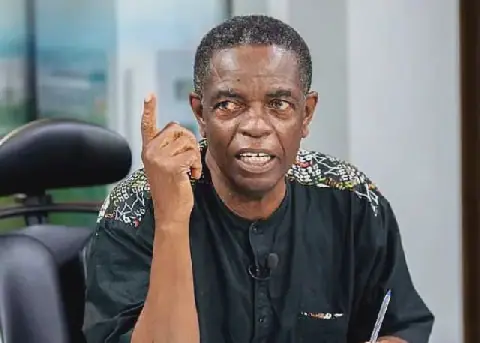
The Democratic Republic of Congo's financial patrol, established in 2021, has significantly improved the country's public revenue. According to Jules Alingete Key, former Inspector General of Finance, the revenue has more than doubled from $5.5 billion in 2020 to $12.84 billion in 2024. This represents a 133.5% increase without introducing new taxes or raising existing tax rates.
The financial patrol, also known as "Patrouille financière," has also led to a substantial increase in the number of registered taxpayers. The number of taxpayers in the General Directorate of Taxes' registry has risen from 76,132 in 2020 to 164,300 in 2024. Additionally, the patrol has helped reduce tax exemptions, which decreased from 42% to 27% of the total value of imported goods during the same period.
The implementation of the financial patrol has also resulted in a decline in the "leakage" of public revenue, from 18.20% of GDP in 2020 to 12.17% in 2024. Furthermore, the country's fiscal pressure, which measures the weight of levies on GDP, has increased from 6.8% in 2020 to 12.83% in 2024. However, this level remains below the 25% average for countries in the Southern African Development Community (SADC).
The financial patrol has also contributed to improved governance in the DRC. According to Transparency International's Corruption Perception Index, the DRC has risen seven places in the ranking between 2020 and 2024. Moreover, the cumulative treasury of public enterprises and establishments has increased from $200 million to over $2.5 billion during the same period.
Jules Alingete Key, in his book "Le contrôle a priori des finances publiques en République démocratique du Congo," acknowledges the limitations of the financial patrol. He notes that the control mechanism can slow down current operations, divert attention from necessary a posteriori controls, and introduce additional administrative burdens.
Despite these limitations, Alingete Key advocates for a transitional control mechanism, arguing that its gradual lifting will depend on the emergence of an operational internal control system and a genuine culture of accountability within the Congolese public administration. He estimates that this process will take at least a decade.
The book, which was launched in Paris, is dedicated to President Félix-Antoine Tshisekedi Tshilombo, who is described as the "source of inspiration" for the financial patrol. The ambassador Émile Ngoy Kasonga, who prefaced the book, praises the work, stating that it has helped save the Congolese state nearly $2 billion in diverted funds since its inception.
Key points
- The DRC's financial patrol has increased public revenue from $5.5 billion to $12.84 billion in four years.
- The number of registered taxpayers has risen from 76,132 to 164,300 during the same period.
- The country's fiscal pressure has increased from 6.8% to 12.83% of GDP between 2020 and 2024.