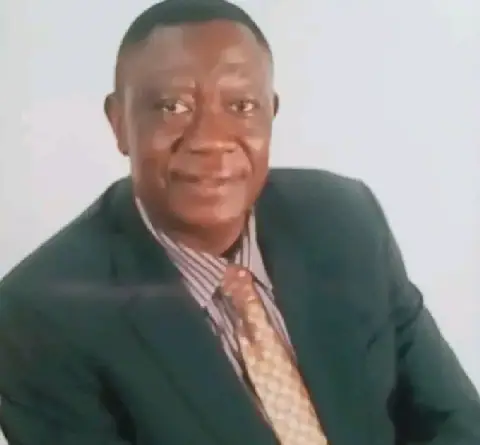
On May 24, 2026, President Romuald Wadagni took office, vowing to prioritize education, healthcare, agriculture, social protection, justice, infrastructure, and territorial development. Four months later, his administration has made notable progress in implementing these promises. A substantial allocation of nearly 30 billion FCFA has been dedicated to the education sector for the 2026-2027 academic year, focusing on school canteens, infrastructure, scholarships, and university transportation.
One of the most visible changes is the revival of university transportation. As of September 21, 63 new buses have been deployed across 12 cities, benefiting students at public universities. Additionally, the government has introduced free tuition for girls in public general and technical secondary schools, alongside investments in school infrastructure. In September, measures were also announced to support 5,000 students with disabilities.
The agricultural sector has seen significant developments, with a focus on productivity, income security, and social protection. In August, 561.8 million FCFA in indemnities were paid to rice and cotton producers who suffered yield losses, under the multirisk index-based agricultural insurance scheme. Furthermore, a pilot phase of the Agricultural Productivity and Social Protection Program was launched in September, targeting 2,000 maize producers on approximately 3,000 hectares.
The healthcare sector has also witnessed advancements. In June, the government allocated 1 billion FCFA to enhance emergency care in public hospitals. An additional 10 billion FCFA was earmarked to improve access to clean water and electricity in public health centers lacking these essential services. In July, supplementary medical equipment was procured for several hospitals, and in September, a new regulatory body for the health sector was established.
The justice sector has undergone reforms, including the digitalization of judicial acts and the implementation of electronic payments to standardize costs and enhance revenue tracking. On July 31, 2026, 369 inmates benefited from a presidential pardon, which reduced their remaining prison sentences but did not expunge their convictions or civil and financial obligations.
In the realm of social protection, the Council of Ministers on September 2 authorized the construction of 35 integrated economic, social, and digital centers in 26 communes. These centers aim to bring various services closer to the population, particularly in social protection and digital services. Moreover, specific measures were announced to support people with disabilities, including increasing funding for their entrepreneurial initiatives from 200 to 400 million FCFA.
Infrastructure development has also commenced, with the September 9 launch of the Setto-Dassa-Zoumè road reconstruction project. The 39.45-kilometer stretch will be upgraded to a 2×2 lane highway, featuring a new 60-meter bridge over the Zou River. The project is financed with 291 million dollars, of which 202 million dollars are provided by the United States through the Millennium Challenge Corporation, and 89 million dollars as Benin's counterpart fund.
Key points
- President Wadagni's administration has made tangible progress in various sectors.
- The government has prioritized education, healthcare, and infrastructure development.
- Ongoing projects are expected to have a significant impact on the lives of Benin's citizens.