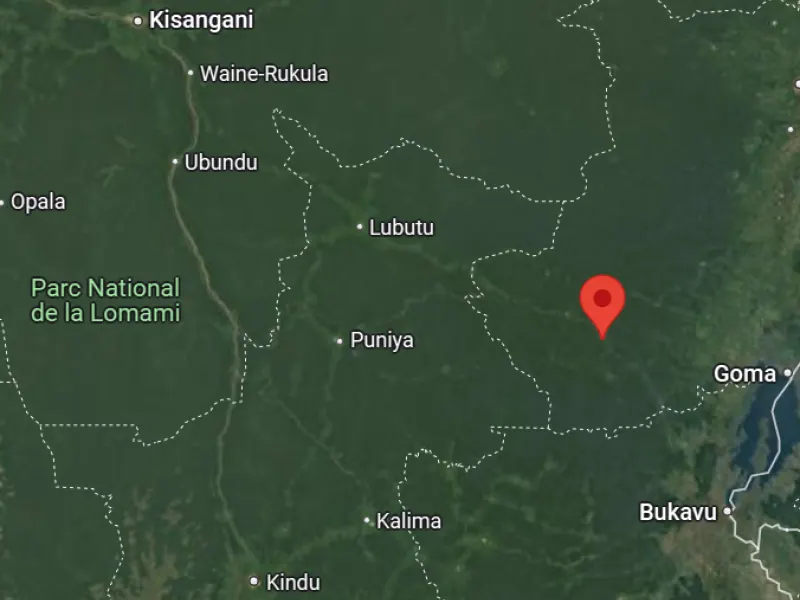
A food poisoning incident in Munsanga, a village in the Walikale territory of North Kivu, Democratic Republic of the Congo, has resulted in four deaths. The incident was reported on September 26, 2026, and is believed to have been caused by the consumption of monkey meat. According to Dr. Théophile Muka, the interim chief medical officer of the Pinga health zone, several people who shared the meal fell seriously ill.
The victims, who have not been identified, reportedly consumed the monkey meat in a local setting, although the exact circumstances of its preparation and consumption are still unclear. Dr. Muka confirmed that this is the first recorded case of food poisoning linked to monkey meat consumption in the Pinga health zone. The incident has prompted health authorities to dispatch a team to Munsanga to assess the situation and conduct investigations.
The team, led by Dr. Muka, aims to collect samples from individuals still suffering from severe symptoms. These samples will be sent to a laboratory for analysis to determine the exact cause of the poisoning and confirm whether it is linked to the consumption of monkey meat. The analysis will help health authorities understand the source of the contamination and take necessary measures to prevent further incidents.
Health services are closely monitoring the situation in Munsanga, and authorities are working to identify the source of the contamination. The incident highlights the risks associated with consuming wild game meat, particularly in areas where food safety regulations may not be strictly enforced. Further investigation is needed to determine the cause of the poisoning and prevent similar incidents in the future.
The incident has raised concerns about food safety in the region, particularly in rural areas where access to healthcare and sanitation may be limited. The DR Congo has experienced several foodborne illnesses in recent years, often linked to the consumption of contaminated or spoiled food. Health authorities are urging residents to exercise caution when consuming wild game meat and to report any symptoms of food poisoning promptly.
Laboratory analysis of the samples is expected to provide crucial information on the cause of the poisoning. The results will help health authorities develop targeted interventions to prevent similar incidents and promote food safety in the region. In the meantime, residents are advised to be cautious when handling and consuming wild game meat.
The DR Congo's health authorities are working to strengthen food safety regulations and improve access to healthcare in rural areas. The incident in Munsanga highlights the need for continued vigilance and cooperation between health authorities, local communities, and other stakeholders to prevent and respond to foodborne illnesses effectively.
Key points
- Four people died from food poisoning in DR Congo's Walikale territory after consuming monkey meat.
- Health authorities have dispatched a team to investigate the incident and collect samples for laboratory analysis.
- The incident highlights the risks associated with consuming wild game meat in areas with limited food safety regulations.