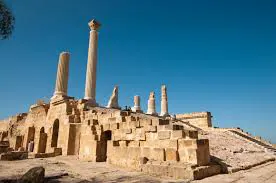
A roundtable discussion was held in Oudna, Tunisia, on September 28, 2026, to present the initial findings of an in-depth study on cultural heritage education and training programs. The event was organized by the ANIMED foundation, in partnership with the National Heritage Institute. The study, part of the DIEM project, aimed to assess the responsiveness of these programs to international standards in the field of cultural heritage.
The study focused on identifying the needs of the cultural heritage sector and evaluating the effectiveness of current education and training programs. The roundtable discussion provided a platform for stakeholders to share their insights and recommendations on how to improve these programs. The event also marked the launch of a training program designed to enhance the skills and competencies of professionals in the cultural heritage sector.
The training program, which will be delivered by 30 trainers from Tunisia, Spain, Italy, Germany, Jordan, Palestine, and Egypt, targets three groups: leaders in the cultural heritage sector, university graduates, and local communities. The program aims to equip participants with the necessary skills to manage and conserve cultural heritage sites, as well as to promote sustainable tourism practices.
According to Bouthaina Ghربي, director of the ANIMED foundation, the project is part of the DIEM initiative, which aims to develop inclusive education in the Mediterranean region. The DIEM project, funded by the InterregNEXTMED program, seeks to bridge the gap between education and employment needs in the cultural heritage sector.
Fatma Nait Iguil, a researcher at the National Heritage Institute, highlighted the importance of the training program in addressing the shortage of skilled professionals in the cultural heritage sector. She emphasized that the program's focus on international standards and best practices will enhance the quality of conservation and management of cultural heritage sites in Tunisia.
The DIEM project, which began in October 2025, aims to improve access to high-quality education in the Mediterranean region, with a focus on the cultural heritage sector. The project brings together universities, public institutions, and local communities to develop a joint training system and promote skills, employability, and social inclusion.
The roundtable discussion and training program are expected to contribute to the development of a more skilled and professional workforce in the cultural heritage sector, ultimately enhancing the preservation and promotion of Tunisia's cultural heritage. The project's outcomes are expected to have a positive impact on the country's cultural tourism industry and local communities.
Key points
- The roundtable discussion and training program aim to address the shortage of skilled professionals in Tunisia's cultural heritage sector.
- The DIEM project seeks to bridge the gap between education and employment needs in the cultural heritage sector.
- The training program will be delivered by 30 trainers from seven countries and targets three groups: leaders, university graduates, and local communities.