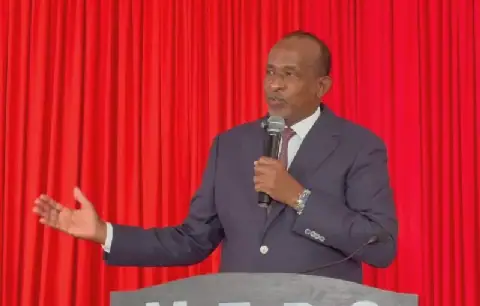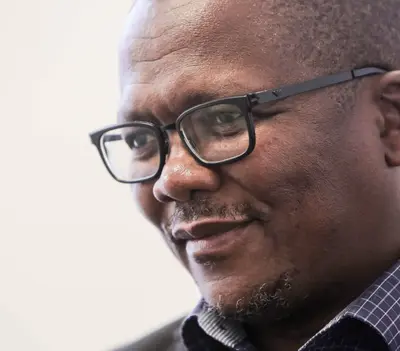
The University of Fort Hare is embroiled in a governance crisis after its vice-chancellor, Professor Sakhela Buhlungu, resigned with immediate effect on September 29, 2026. Buhlungu's departure comes nearly six months after he was placed on precautionary suspension, citing alleged procedural irregularities in the appointment of two executive directors. The suspension was imposed on March 30, 2026, and had been a subject of contention between Buhlungu and the university council.
The council chairperson, Dr Siyanda Makaula, attempted to reject Buhlungu's resignation, citing a supposed three-month notice period under the university's employee relations policy. However, Buhlungu publicly rebuked Makaula, stating that the chair had misinterpreted university policy and acted irrationally. In a letter, Buhlungu dismantled Makaula's reasoning, pointing out that the policy clause relied upon by the chair did not exist.
Buhlungu's resignation brings to an end a turbulent chapter in Fort Hare's recent history. Since his appointment in 2017, he had become the face of an anti-corruption drive that exposed procurement irregularities, governance failures, and criminal networks allegedly operating in the institution. His tenure was marked by Special Investigating Unit investigations, violent intimidation, and the murders of individuals linked to corruption probes.
Supporters hailed Buhlungu as a reformer confronting entrenched interests, while critics accused him of governance lapses and deepening tension with the council. The VC's suspension in March exposed widening rifts in the council, with senior members warning of a "governance crisis" due to procedural irregularities, contested authority, and escalating factionalism.
Buhlungu's departure adds to a string of leadership disruptions at Fort Hare, including disciplinary actions against senior officials, contested council decisions, and investigations. Acting leadership arrangements have become the norm as the institution struggles to maintain stability under a poorly led and weak council. Staff, students, and higher education observers warn that the governance turmoil is undermining academic focus and institutional credibility.
The resignation leaves key questions hanging, including whether the disciplinary process will continue or collapse, how the council will manage the leadership vacuum, and what becomes of the governance reform agenda associated with Buhlungu's tenure. In his farewell remarks, Buhlungu expressed sadness at parting ways with the institution but remained proud of the contribution he and others had made.
The governance crisis at Fort Hare has entered a new phase, defined by disciplinary battles, factional tension, and a public confrontation over policy, authority, and institutional competence. The university has not responded to questions about the attempted rejection of the resignation or the next steps in stabilizing leadership and searching for a new vice-chancellor. Critics argue that the job description for the new vice-chancellor was deliberately "dumbed-down".
Key points
- Professor Sakhela Buhlungu's resignation as vice-chancellor of the University of Fort Hare has sparked a governance crisis.
- The council chairperson, Dr Siyanda Makaula, attempted to reject Buhlungu's resignation, citing a supposed three-month notice period.
- Buhlungu's departure adds to a string of leadership disruptions at Fort Hare, including disciplinary actions against senior officials and contested council decisions.