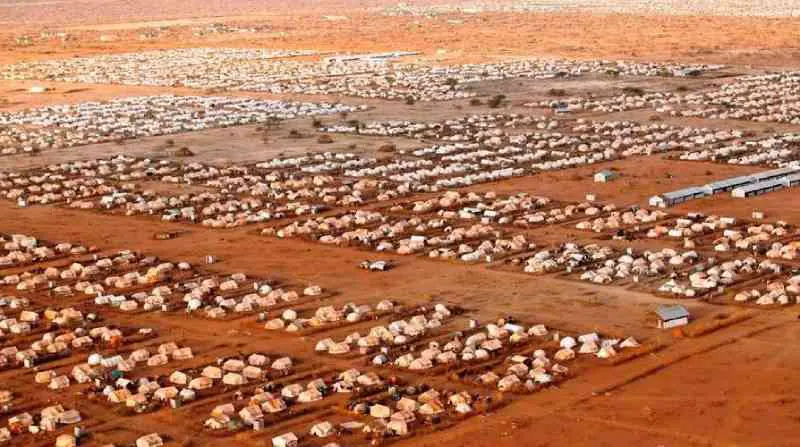
The devastating effects of El Niño floods in 1997 left an indelible mark on Ahmed Abdidool, a young boy living in the Dadaab refugee camp in northeastern Kenya. The floods cut off the camps by road, leaving refugees dependent on air deliveries of food, medicine, and fuel for months. Abdidool recalls the sight of planes dropping food from the sky, a scene that has stayed with him nearly three decades later. The experience has shaped his perspective on disaster response and resilience.
Africa has become all too familiar with emergencies, from droughts and floods to conflict and food insecurity. Governments and humanitarian organizations have mobilized to respond to these crises, often with heroic efforts. However, the focus on response and recovery has overshadowed the importance of building resilience. Abdidool argues that this approach is no longer sufficient, as the continent must prepare for the next crisis before it strikes. By investing in resilience, African nations can mitigate the impact of recurring disasters.
The distinction between response, recovery, and resilience is crucial in understanding the complexities of disaster management. Response saves lives during the emergency, while recovery helps communities restore what was lost. Resilience, however, asks a harder question: when the shock returns, will it cause the same devastation? Africa has become reasonably experienced at the first two, but the third deserves far greater attention. By prioritizing resilience, the continent can reduce the risk of disasters and promote sustainable development.
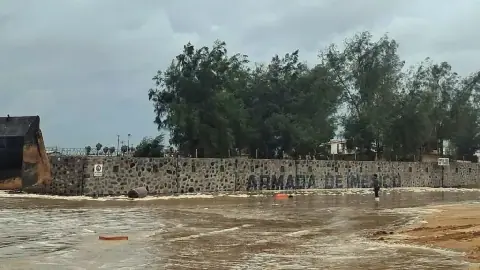
The Horn of Africa is no stranger to drought, flooding, and displacement. These shocks are not entirely unpredictable, and the question is no longer theoretical. During the 2023-24 El Niño period, heavy rains and severe flooding struck the region, affecting nearly 25,000 people in the Dadaab camps. By April and early May, over 20,000 people had been displaced from their shelters, with families moving toward schools, relatives, and higher ground. The recurrence of these disasters highlights the need for a more proactive approach.
Significant progress has been made in disaster forecasting, communications, and humanitarian systems since 1997. However, this progress has also raised the bar for preparedness. It is no longer sufficient to be caught off guard by disasters. African nations must turn knowledge into action before the emergency, investing in early warning systems, infrastructure, and community resilience. By doing so, they can reduce the risk of disasters and promote sustainable development.
Building resilience does not mean preventing rain, drought, or conflict. Rather, it means creating systems and communities that can withstand and adapt to these shocks. This requires a fundamental shift in the way development is approached, prioritizing resilience as a core component of national and regional strategies. By investing in resilience, African nations can promote economic growth, reduce poverty, and improve the well-being of their citizens.
As Abdidool notes, an early warning that produces no early action is merely an accurate prediction of suffering. Africa must move beyond rhetoric and invest in concrete actions that promote resilience. This requires a collaborative effort from governments, humanitarian organizations, and communities to prioritize resilience and build a more sustainable future. The question is no longer if the next disaster will strike; it is when, and how prepared will Africa be to respond.
Key points
- African nations must prioritize resilience to mitigate the impact of recurring disasters.
- Investing in resilience requires a fundamental shift in the way development is approached.
- Building resilience means creating systems and communities that can withstand and adapt to shocks.