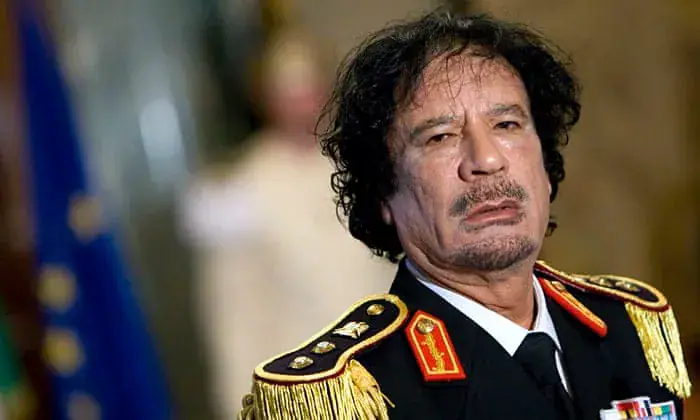
In 2006, Libyan leader Muammar Gaddafi visited Nigeria for the African and South American Heads of State Summit. As Nigeria's Minister of Aviation at the time, Olufemi Fani-Kayode was tasked with welcoming Gaddafi and accompanying him for four days. Gaddafi's entourage was extensive, comprising nearly 200 bodyguards and 100 vehicles, which created a significant security concern.
The Libyan leader's convoy was blocked by Nigerian security officials and the military due to the presence of AK-47s and other sophisticated weapons in the vehicles. Although Gaddafi and his delegation were allowed to enter with their sidearms, the heavy arms had to remain at the airport. Fani-Kayode, who was in Gaddafi's car, had to relay this message through an interpreter, leading to a tense standoff.
The situation escalated, with Gaddafi becoming angry and exiting his car to walk towards Abuja, insisting on proceeding on foot. His 200 bodyguards followed, prompting Fani-Kayode to panic and fear for Gaddafi's safety in the heat. President Olusegun Obasanjo intervened, instructing Fani-Kayode to inform Gaddafi that he was on his way to resolve the situation.
Upon Obasanjo's arrival, Gaddafi agreed to return to the airport, where the two leaders greeted each other warmly. However, Gaddafi raised the issue of being blocked at the gate, to which Obasanjo apologized and promised to open the gates immediately. Behind the scenes, Obasanjo instructed Fani-Kayode that Gaddafi and his team would not be allowed in unless they relinquished their heavy weapons.
After heated discussions, Gaddafi's security and protocol officers agreed to have the weapons removed and returned to the plane. With the situation defused, the convoy was allowed to proceed into Abuja. During the drive, Gaddafi remained largely silent, commenting only on the beauty of the Central Mosque.
Fani-Kayode reflected on the encounter, stating that it taught him about the importance of firmness and mutual respect in diplomacy. The incident highlighted the effectiveness of Nigeria's security forces in upholding directives and Obasanjo's decisive actions in preventing Gaddafi from bringing in dangerous arms.
Gaddafi's life took a dramatic turn five years later, when he was killed by his own people in Sirte on October 20, 2011. Fani-Kayode, who watched the footage of his death on CNN, expressed sadness at the brutality of his end. The former minister noted that Gaddafi's violent demise served as a reminder of the impermanence of power and its accompanying vanities.
Key points
- Gaddafi's 2006 visit to Nigeria was marked by a significant security standoff.
- The incident taught Fani-Kayode about the importance of firmness and mutual respect in diplomacy.
- Gaddafi was killed in Sirte on October 20, 2011, in a brutal end to his life.
Reporting sources
- Two Decades Since Muammar Gaddafi – Daily Trust · sierraleonetoday.co.com