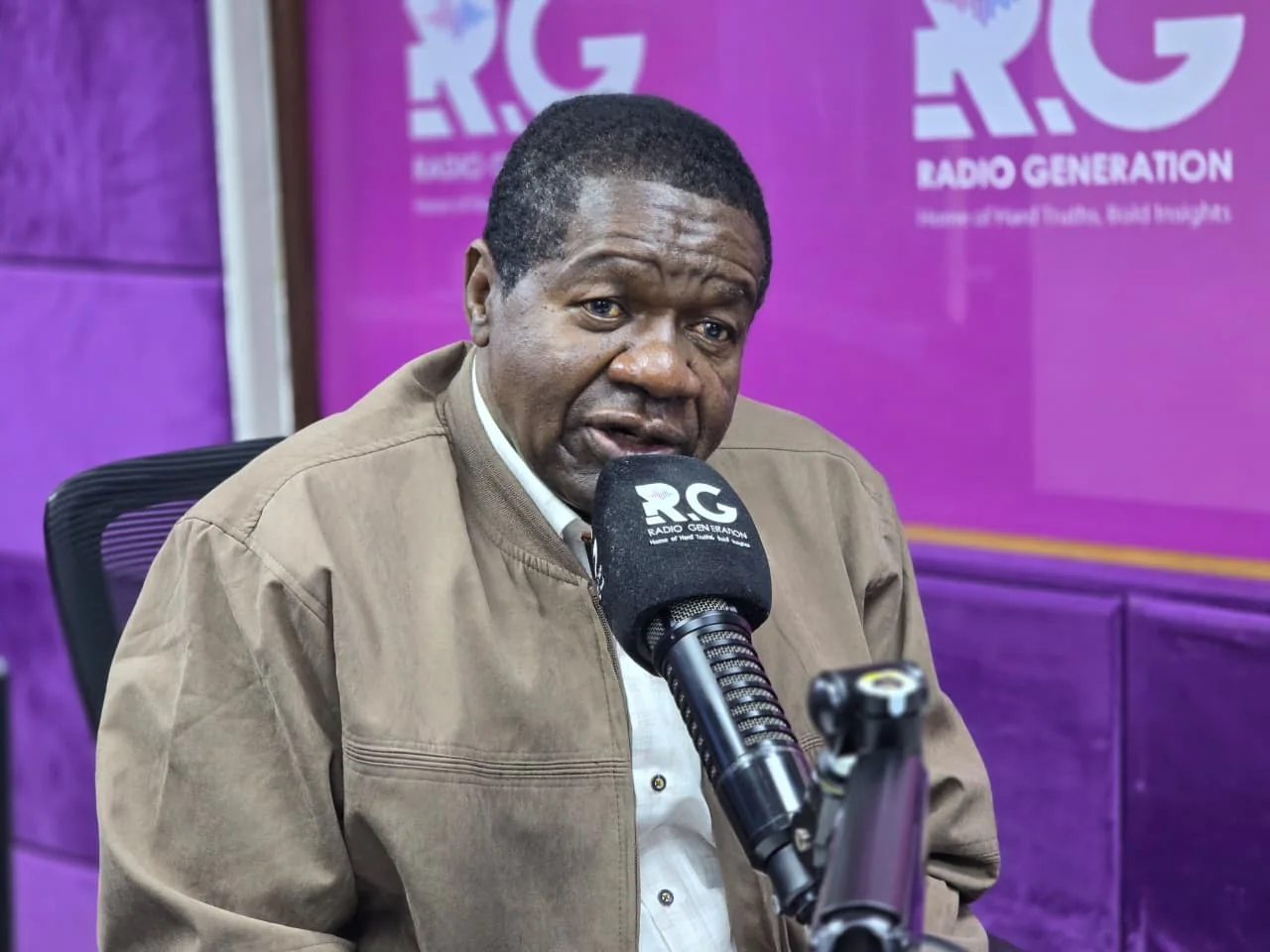
Former IEBC CEO James Oswago has expressed concerns over the frequent turnover of chief executive officers at Kenya's electoral agency, the Independent Electoral and Boundaries Commission (IEBC). In an interview with Radio Generation on September 29, 2026, Oswago linked the changes to possible tensions between commissioners and the secretariat. He noted that the CEO's office is a powerful administrative position when its mandate is properly exercised, but conflicts can arise when commissioners interfere with decisions meant to be handled by the secretariat.
Oswago questioned the circumstances under which successive CEOs have been appointed and later left office, saying the pattern of changes raises questions about the working relationship between commissioners and secretariat heads. He suggested that some commissioners arrive at the electoral agency with limited experience in managing elections but soon assume they have the expertise to direct the CEO, creating difficulties in the running of the secretariat. This, he believes, contributes to the frequent turnover of CEOs.
According to Oswago, the CEO has the authority to make a number of administrative decisions, including matters involving staff promotions and deployment. However, he noted that such decisions should follow the required procedures and involve consultation with commissioners where necessary. He warned that a CEO who gives in to every demand from commissioners risks being unable to perform the duties attached to the office.
Oswago reflected on his time at the electoral agency, serving as the first Commission Secretary and CEO under the IEBC. He said the position was intended to be a strong administrative office, adding that it's a very powerful position if taken seriously. He also noted that continued changes in the leadership of the secretariat have affected continuity at the electoral body, with several people taking charge of the office since the promulgation of the 2010 Constitution.
Since Oswago's tenure, there have been several CEOs at the IEBC, including Ezra Chiloba, who was appointed in January 2015 and left in 2018, and Marjan Hussein Marjan, who served as acting CEO from 2017 before being confirmed as substantive CEO in March 2022. Marjan left the position in February 2026 following a mutual agreement to terminate his services. Moses Ledama Sunkuli then served as acting CEO for six months before Ruth Kulundu took over in August 2026.
The changes have placed renewed focus on the relationship between the IEBC commissioners and the secretariat, particularly on how the two sides exercise their respective responsibilities. Oswago emphasized that the law establishing the IEBC separates the roles of the commission and its secretariat, with the CEO serving as the head of the secretariat while commissioners handle policy, strategy, and oversight.
The concerns raised by Oswago come at a time when the IEBC is preparing for the 2027 elections. The commission has been working to address various challenges, including improving the electoral process and enhancing its capacity to manage elections. Key to this process will be the relationship between the commissioners and the secretariat, and how they work together to ensure a smooth and credible electoral process.
Key points
- Former IEBC CEO James Oswago has raised concerns over the frequent turnover of CEOs at the electoral agency, citing possible tensions between commissioners and the secretariat.
- Oswago noted that the CEO's office is a powerful administrative position, but conflicts can arise when commissioners interfere with decisions meant to be handled by the secretariat.
- The changes in leadership at the IEBC secretariat have affected continuity at the electoral body, with several people taking charge of the office since the promulgation of the 2010 Constitution.