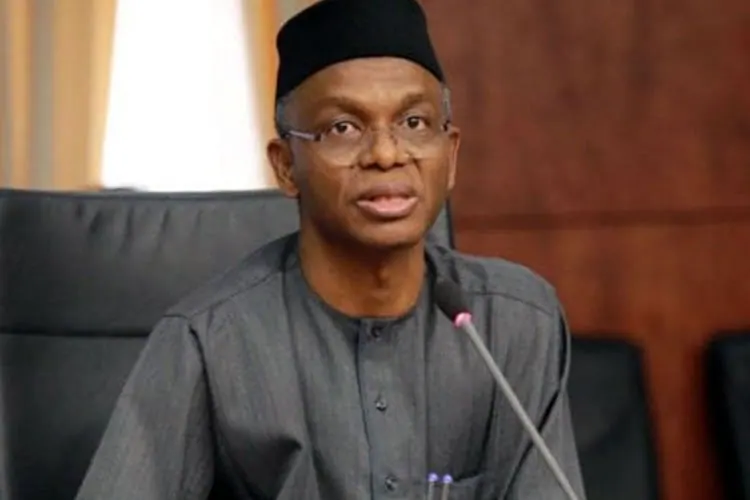
A group of former commissioners, political appointees, and grassroots associates of former Kaduna State Governor Nasir El-Rufai have spoken out about their decision to part ways with him. They assert that they were El-Rufai's political partners, not his property, and therefore have the right to determine their own political future. This statement was made by former Deputy Speaker of the Kaduna State House of Assembly, Hon. Mukthar Isa Hazo, and former Kaduna State SDP Chairman, Hon. Nasiru Abdullahi Maikano.
The group, which includes former commissioners Ja'afaru Sani, Dr. Shehu Usman Makarfi, Bashir Saidu, and Senator Abdu Kwari, claim they made significant contributions to the political structures that supported El-Rufai. They argue that it is unfair to describe their departure as betrayal, as political relationships are not permanent and can change when circumstances, interests, and objectives shift. The group questions why they should be denied the freedom to make different choices today, just as they had the freedom to support El-Rufai in the past.
According to the group, their political relationship with El-Rufai became increasingly strained after his 2019 re-election. They felt marginalized while members of El-Rufai's family were perceived to be exercising growing influence in government affairs. The group does not question El-Rufai's right to rely on family members or trusted associates but expresses concern about the weakening of the wider political structure and the diminishing political relevance of former allies.
The disagreement between El-Rufai and his former allies became more pronounced after he left office, particularly over the 2027 political realignment and the ADC governorship primary. Ja'afaru Sani was reportedly the preferred successor of the group, but El-Rufai backed Isa Ashiru, his former political rival, who won the ADC direct primary with 86,113 votes to Sani's 29,580. Sani rejected the outcome, alleging irregularities in the process.
The former allies also alleged that El-Rufai's support for Ashiru was linked to an arrangement designed to retain his influence over a possible ADC administration. They claimed that this arrangement included plans to appoint two of El-Rufai's wives. Although this allegation has not been independently established or formally documented, the group believes it reinforces their conviction that their political interests are no longer aligned with El-Rufai's.
The group challenges El-Rufai's supporters to examine why people left his political camp and what happened to the relationships that led to their departure. They argue that repeated political departures deserve examination rather than automatic accusations of betrayal. El-Rufai's own political journey demonstrates that political alliances can change, as he has worked with different political actors and formations, and has subsequently found himself on opposite sides of political battles with some of them.
The group asks why El-Rufai should be allowed to make political choices based on his assessment of circumstances and interests, while his former associates are denied the same right. They emphasize that Kaduna's political future should be shaped by the interests of the people who built political structures, not just a few individuals. The central question, they argue, is whether the political future of Kaduna should be determined by the interests of its people or a select few.
Key points
- Former allies of Nasir El-Rufai insist they were his political partners, not property.
- The group claims their departure from El-Rufai's camp is not a betrayal but a change in political alliances.
- The disagreement between El-Rufai and his former allies centers on the 2027 political realignment and the ADC governorship primary.