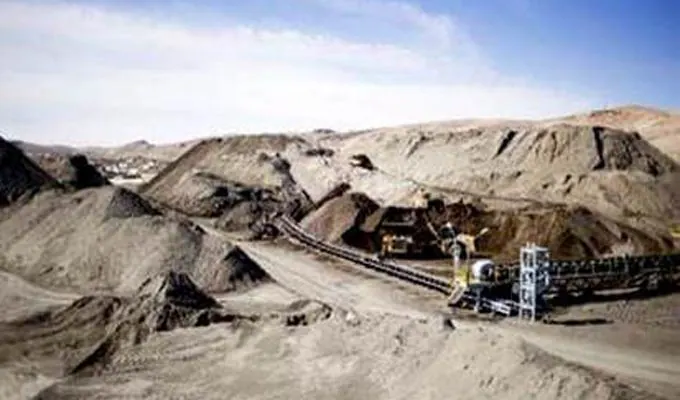
The Mdhilla 1 plant, operated by the Tunisian Chemical Group (GCT), has resumed production after a four-month shutdown. The plant, which produces triple super phosphate (TSP), was forced to halt production in mid-May due to a shortage of sulfur, a critical raw material. The shutdown had significant implications for the industry, highlighting the country's reliance on imported raw materials. According to sources, the plant had been producing 175,000 tonnes of TSP for export and 21,800 tonnes for the local market in 2024.
The sulfur shortage was attributed to tensions in the Strait of Hormuz and non-compliance with contractual obligations by certain suppliers. The GCT's production process involves importing sulfur, which is then used to produce sulfuric acid, a key component in the production of phosphate-based fertilizers. The shutdown of Mdhilla 1 had a ripple effect on the entire production chain, impacting not only the plant's output but also the wider industry.
The resumption of production at Mdhilla 1 is a positive development for the industry, but the economic impact of the shutdown remains unclear. Key questions, such as the amount of production lost, the financial losses incurred, and the cost of new sulfur supplies, remain unanswered. The incident highlights the vulnerability of Tunisia's phosphate industry to external factors, including global market trends and supply chain disruptions.
The GCT's reliance on imported sulfur underscores the need for the company to secure stable and reliable supplies of this critical raw material. The company's strategy for mitigating such risks and ensuring a stable supply chain will be crucial in preventing similar disruptions in the future. Industry experts will be closely watching the GCT's response to this challenge.
The phosphate industry is a significant contributor to Tunisia's economy, and any disruptions to production can have far-reaching consequences. The country's phosphate reserves are substantial, but the industry's reliance on imported raw materials creates vulnerabilities that must be addressed. The GCT's efforts to restart production at Mdhilla 1 are a step in the right direction, but more needs to be done to ensure the long-term sustainability of the industry.
According to sources, the shutdown of Mdhilla 1 began on May 17 or 18, 2026, with reports indicating that production was suspended due to sulfur shortages. The plant's production capacity and the exact impact of the shutdown on the industry are not yet fully understood. Further information is needed to assess the full extent of the disruption and the potential for future growth.
The incident at Mdhilla 1 serves as a reminder of the complexities and challenges facing Tunisia's phosphate industry. As the country looks to capitalize on its phosphate reserves, it must also address the vulnerabilities that have been exposed by the shutdown. By diversifying its supply chain and securing stable sources of raw materials, the GCT can help ensure a more stable and sustainable future for the industry.
Key points
- The shutdown of Mdhilla 1 highlights Tunisia's reliance on imported raw materials and the need for a stable supply chain.
- The economic impact of the shutdown remains unclear, with key questions still unanswered.
- The incident serves as a reminder of the complexities and challenges facing Tunisia's phosphate industry.