The crackdown on artisanal gold mining in Guinea has led to a surge of foreign miners heading to Mali's protected Limakolé forest. According to reports from Malijet, a site in Mali, the miners, mostly from Togo, Burkina Faso, and Benin, have been drawn to the area after being forced to leave Guinea's mining sites. This development has prompted regional authorities to take urgent action.
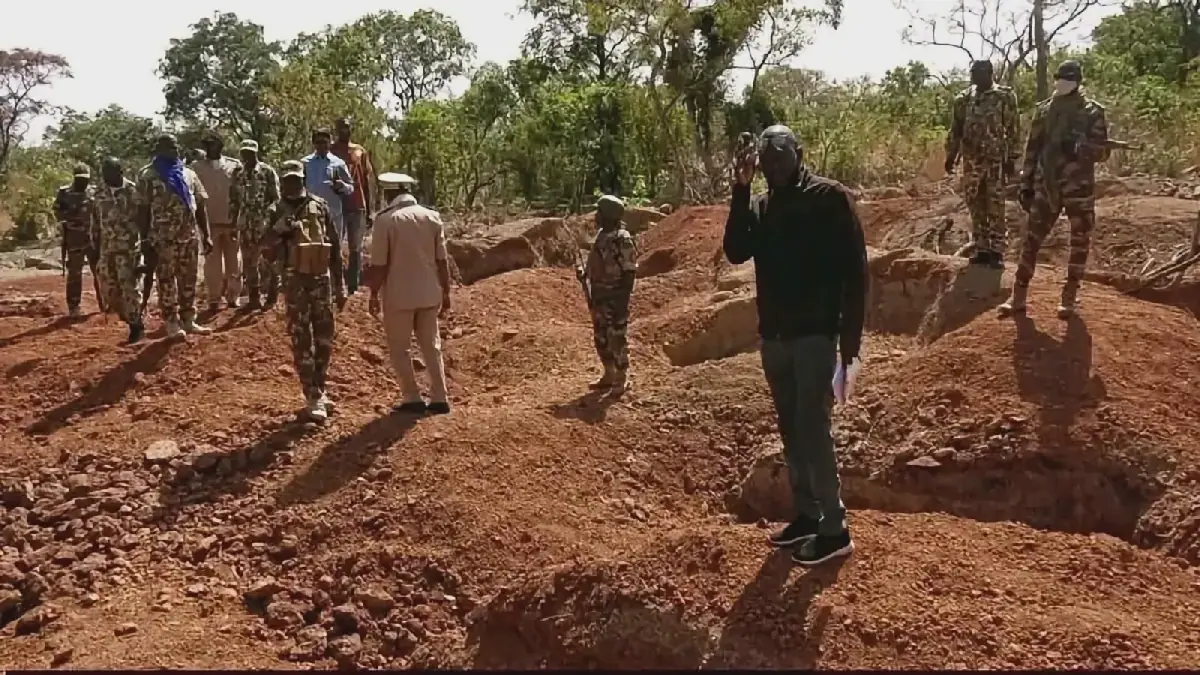
A delegation led by the prefect of Sagabary, Abdoulaye Cissé, was dispatched to Djiabasouroutou, a village near the Guinean border, to assess the situation and evaluate environmental damage. The team, which included security forces, aimed to provide initial assistance to the miners and facilitate their return to their home countries. The mission was initiated by Kita region's governor, Daouda Maïga.
The Limakolé forest, a protected area, has become a hotspot for gold miners, raising concerns about environmental degradation and regulatory compliance. Authorities have emphasized the need for miners to adhere to Mali's mining regulations. The situation highlights the cross-border implications of Guinea's efforts to combat clandestine gold mining and protect the environment.
The miners' influx has significant implications for the region, with potential environmental and social consequences. The Malian authorities' response aims to mitigate these risks and ensure that miners operate within the law. The issue also underscores the challenges of regulating artisanal gold mining in West Africa.
Guinea's ban on artisanal gold mining has been in place for some time, with the government seeking to curb the practice's environmental and social impacts. The recent developments in Mali demonstrate the regional repercussions of this policy. As the situation unfolds, it will be crucial to monitor the response of both Guinean and Malian authorities.
The involvement of foreign nationals in Mali's gold mining sector raises questions about the effectiveness of regional cooperation and regulatory frameworks. Efforts to address the issue will require collaboration between Mali, Guinea, and other affected countries. The goal is to balance economic opportunities with environmental and social responsibility.
The situation in the Limakolé forest serves as a test case for the region's ability to manage the complexities of artisanal gold mining. As authorities work to find a solution, they must consider the competing interests of economic development, environmental protection, and social welfare. The outcome will have implications for the region's mining sector and its communities.
Key points
- Foreign gold miners have left Guinea for Mali's protected Limakolé forest following Guinea's crackdown on artisanal gold mining.