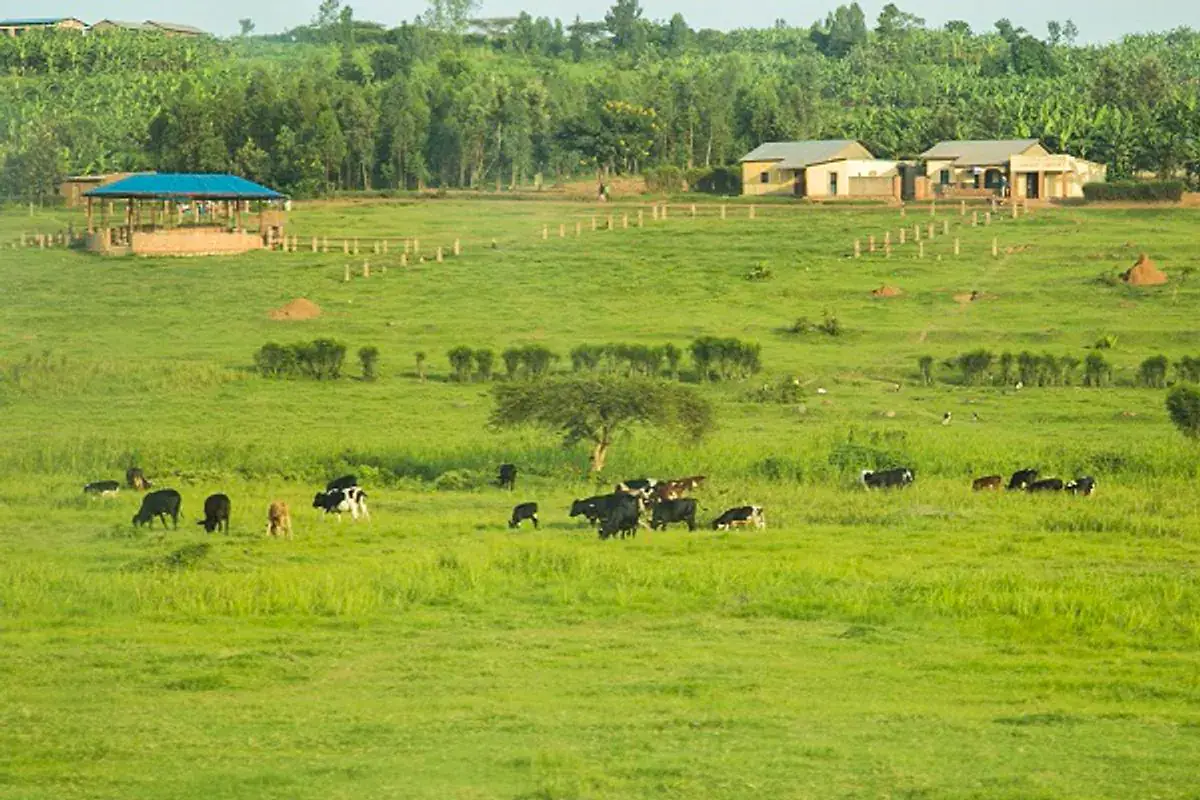
A recent outbreak of foot and mouth disease has affected at least 16 farms in Rwanda's Eastern Province, specifically in the areas of Cyamunyana and Kirebe, in Rwimiyaga sector, Nyagatare district. The disease has resulted in significant losses for local livestock farmers. According to Fabrice Ndayisenga, head of the department of animal resources research and technology transfer at Rwanda Agriculture Board (RAB), the outbreak is currently localized in these 16 farms, and efforts are underway to control it.
Since the outbreak, over 43,000 heads of cattle have been vaccinated, and 206 infected animals have been slaughtered. Ndayisenga stated that measures have been put in place to prevent the spread of the disease, including the establishment of a footbath in Rwimiyaga for disinfecting animals and a quarantine on the movement and slaughter of cattle in affected areas. Daily sampling has also been conducted, with up to 1,500 samples taken so far.
The current outbreak is attributed to the porous borders that allow for the illegal movement of cattle between Rwanda and neighboring countries. Ndayisaba, a source, noted that the difficulty in enforcing laws against illegal animal movements has turned Eastern province districts, particularly Nyagatare, into hotspots for animal diseases. Previous outbreaks in areas like Musheri, Tabagwe, and Matimba were also linked to unchecked movement of infected cattle from Uganda.
Farmers in affected areas have previously expressed concerns about the government's approach to controlling the disease, citing the aggressive measures taken, such as stopping milk supply and slaughtering all suspected infected animals, which they claim result in significant losses. The policy is to slaughter infected animals, and so far, 206 animals have been slaughtered. However, the meat of infected animals is safe for human consumption and poses no public health hazard.
According to Ndayisaba, controlling the illegal movement of cattle is challenging, despite night patrols and efforts to enforce animal movement policies. The implementation of measures to control Rift Valley fever through vaccinations and testing is also ongoing, following its recent outbreak last year. The World Organisation for Animal Health describes foot and mouth disease as a severe and highly contagious viral disease affecting livestock.
Foot and mouth disease affects cattle, swine, sheep, goats, and other cloven-hoofed ruminants, with significant economic impacts. The disease is estimated to circulate in 77 percent of the global livestock population, primarily in Africa, the Middle East, and Asia. Clinical signs include blisters on the nose, tongue, or lips, and ruptured blisters can result in extreme lameness and reluctance to move or eat.
The Rwandan government, through RAB, continues to work towards controlling the outbreak and preventing further spread of the disease. The vaccination of over 43,000 heads of cattle and the establishment of quarantine measures are part of the efforts to mitigate the impact of the outbreak on local farmers and the livestock industry.
Key points
- 206 cattle have been slaughtered due to the foot and mouth disease outbreak.
- Over 43,000 heads of cattle have been vaccinated.
- The disease is attributed to the porous borders allowing for the illegal movement of cattle.